Raised beds are one of the easiest ways to grow a genuinely great vegetable garden - but only if you get one thing right. This first lesson covers why raised beds work so well, and the single factor that separates a thriving bed from a disappointing one. Spoiler: it is not the lumber, the height, or the shape. It is the soil. Get the soil right and a raised bed will out-produce almost anything; get it wrong and the nicest-looking bed in the neighborhood will still struggle.
Why raised beds work so well
A raised bed is really just a way of taking control of your soil, and that control is where all the advantages come from:
- You decide what is in it. Instead of fighting whatever native soil you were dealt - heavy clay, poor sand, rocks, contamination - you build the soil you want from the start.
- Better drainage. A raised bed drains more freely than flat ground, so roots are far less likely to sit in waterlogged soil, which is one of the most common causes of struggling plants.
- The soil warms earlier in spring. Raised soil heats up faster than the surrounding ground, which can buy you an earlier start and a longer growing season.
- No foot traffic, no compaction. Because you work a bed from the edges and never walk on it, the soil stays loose and crumbly instead of getting packed down hard.
- Easier to tend, easier on you. Defined edges mean fewer weeds creeping in, and the raised height is gentler on your back.
Those are real advantages, and they are why so many of the best home vegetable gardens are grown in raised beds. But notice that every one of them is ultimately about the soil - controlling it, draining it, keeping it loose. The bed is just the frame. What you put inside it is the garden. It is worth saying plainly, because it reorders your priorities: a gardener can spend a fortune on the perfect bed and skimp on the soil and be disappointed, while a gardener with a humble frame and genuinely good, living soil grows beautifully. Spend your money and attention where the plants actually live - in the soil.
The one thing that matters most
Here is the truth that most beginners learn the slow, frustrating way: a raised bed is only as good as the soil inside it. You can build a beautiful cedar frame, position it in perfect sun, and water it faithfully, and if the soil is dead, compacted, or depleted, your plants will still underperform. The good news is the reverse is just as true - get the soil alive and fertile, and the plants almost take care of themselves. So the rest of this guide is really about one thing: building and keeping a living, fertile, well-structured soil in your bed. Everything else is details.
What a living soil actually is
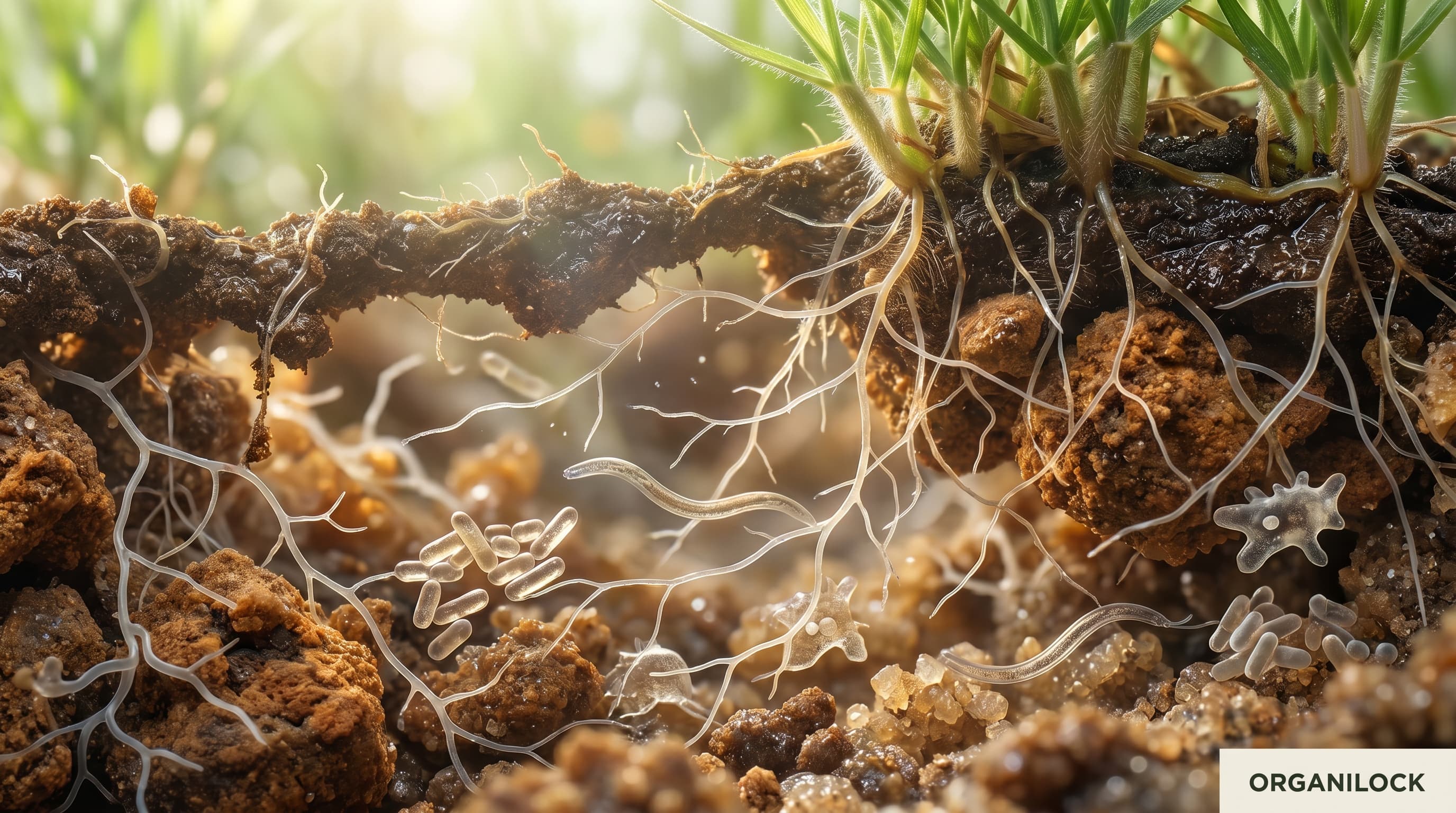
When this guide says "living soil," it means something specific and worth understanding. Healthy bed soil is not just a mix of ingredients - it is a teeming community of life. Beneficial fungi and bacteria break down organic matter and release nutrients gradually, in time with what your plants can use; mycorrhizal fungi partner with plant roots and effectively extend them far out into the soil to gather water and nutrients; earthworms and countless smaller creatures keep the soil open and crumbly. That biology is what does the real feeding in a great bed. A soil rich in organic matter and life holds water, releases nutrients steadily, resists compaction, and buffers against problems - while a sterile soil fed only with soluble chemicals grows weaker and more dependent over time. So "build living soil" is not a vague slogan; it is the literal goal, because the life in your bed is the engine that grows your vegetables.
Filling a new bed
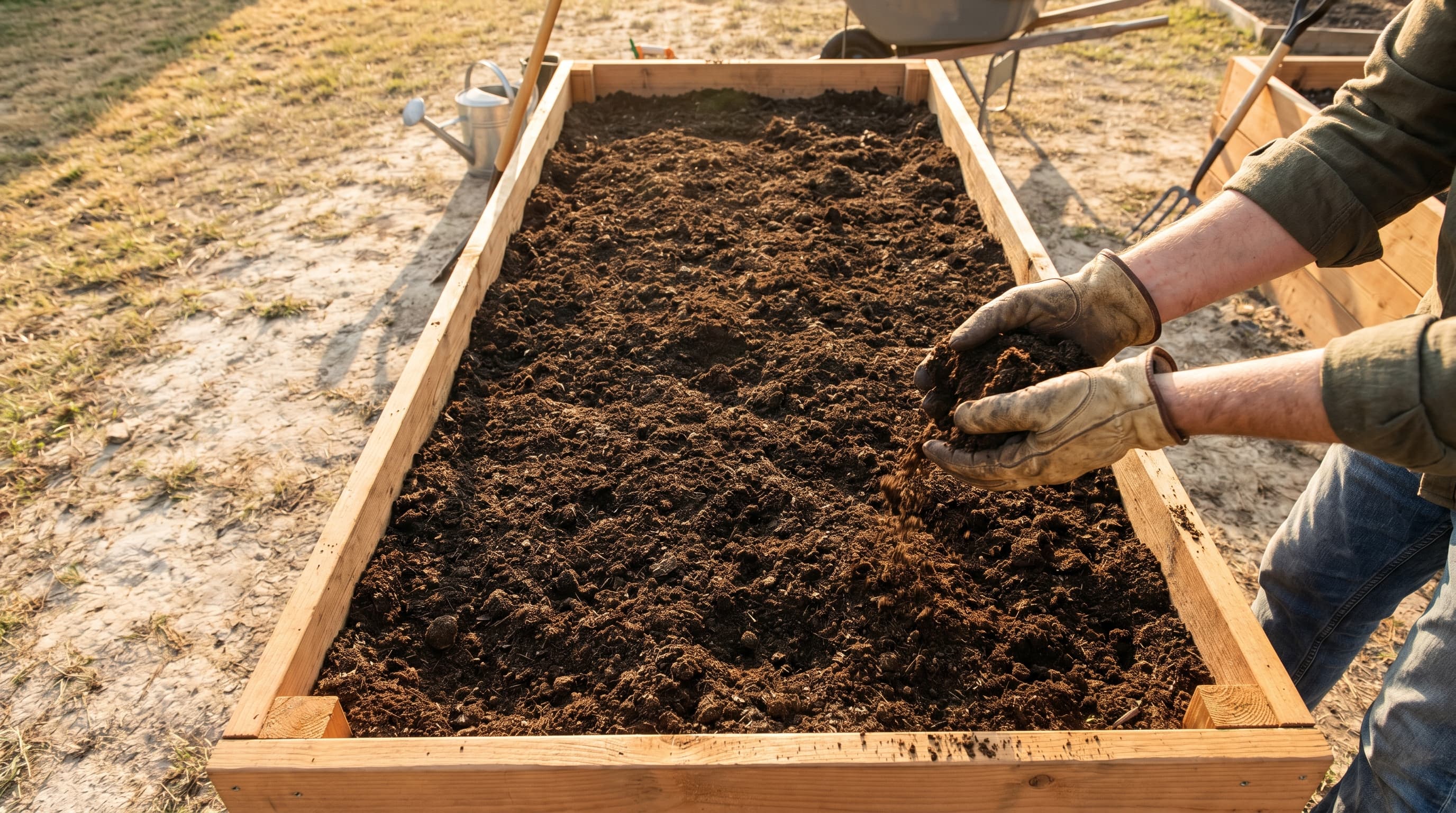
When you build a new bed, you are creating its soil from scratch, and the goal is a loose, fertile, living mix - not just something that fills the space. A good starting blend is a quality topsoil or garden soil combined with plenty of compost and organic matter, aiming for soil that is dark, crumbly, and rich rather than dense or sterile. Avoid filling a deep bed with bagged "garden soil" alone, which can pack down and lacks life; blend in compost and organic matter so the soil breathes and feeds. And resist the temptation to fill with cheap fill dirt or pure peat - you want a balanced, biologically active soil from day one, because the life in that soil is what will feed your plants all season. The exact recipe matters less than the principle: build soil that is alive and crumbly, and it will reward you.
How deep, and getting started
A quick word on the practical side, since soil depth shapes what you can grow. Most vegetables are happy in a bed six to twelve inches deep filled with good soil over reasonable ground, because they will also root down into the soil beneath the bed if it is not hopelessly compacted. Deeper beds (twelve inches or more) give roots more room and matter most for deep-rooted crops like carrots, parsnips, and full-size tomatoes, or when you are building over a hard surface like a patio. Width is worth a thought too: keep a bed narrow enough to reach the middle from either side - around three to four feet - so you never have to step into it and compact the soil. None of this is fussy, and the soil inside still matters more than the exact dimensions, but a bed that is deep enough for your crops and narrow enough to tend from the edges sets you up to grow well without fighting the layout. Build it to suit how you garden, then pour your real attention into the soil that fills it.
The amendment-not-fill principle
Here is a mindset shift that will save you money and grow better food for years: you do not keep buying new soil every season. You build the soil once and then maintain it. After the first fill, the way you keep a bed productive is with amendments - concentrated inputs you work into the soil you already have to rebuild its organic matter, biology, and structure - not by dumping in fresh bags of soil. This is exactly the niche OrganiLock products fill: Soil Food and Raised Bed Refresh are amendments that add whole-food organic matter, beneficial biology, and biochar to a bed, rebuilding tired soil into living soil. Refresh in particular is built for exactly this job - a dry granular amendment you work into or sprinkle over your existing bed soil to re-feed it. It is the upgrade, not the fill. Hold that distinction and you will tend your beds like a gardener who understands soil, rather than one who starts over every spring.
Common filling mistakes to avoid
A few filling mistakes show up again and again, and knowing them saves a season of disappointment. The first is filling a deep bed with topsoil or "garden soil" alone - it packs down dense and lifeless without compost and organic matter blended through it. The second is the opposite extreme: filling with a light, fluffy potting mix meant for containers, which dries out fast and settles dramatically in an outdoor bed. The third is using cheap, unknown fill dirt, which can be compacted, weedy, or even contaminated. And the fourth is forgetting the biology entirely - building a bed of inert ingredients with nothing alive in it, then wondering why it underperforms. The fix for all of them is the same principle you have already met: aim for a balanced, crumbly, biologically active soil, and add a soil-building amendment like Soil Food to establish the living community from the start. A bed filled thoughtfully on day one needs far less rescuing later.
New bed or established bed
How you apply all this depends on where you are starting. For a brand-new bed, mix a soil-building amendment like Soil Food into the soil as you fill it, so the biology is established from the first planting. For an established bed that has been producing for a season or more, you maintain it by working an amendment - Raised Bed Refresh is purpose-built here - into the top few inches at the start of each season, plus a fall reset. Either way, the move is the same: feed the soil so the soil feeds your vegetables. The next lesson gets specific about exactly how to feed a productive bed through the season.
Plain-English takeaway: Raised beds win because they let you control the soil - drainage, warmth, no compaction - but a bed is only as good as the soil inside it, so build a living, crumbly, fertile soil from the start and then maintain it with amendments (the upgrade) rather than buying new fill every year.