Once a tree, shrub, or perennial is established - past its first year or two and growing on its own - its care becomes pleasantly low-key, which is one of the joys of these long-lived plants. But "low-key" is not "nothing," and a few thoughtful habits keep established plantings healthy and vigorous for decades. This lesson covers caring for the plants you already have growing: how to feed them the soil-first way, how to water and mulch, the basics of pruning, and how to read and respond when an established plant looks unwell.
Feeding established plants: gently, through the soil
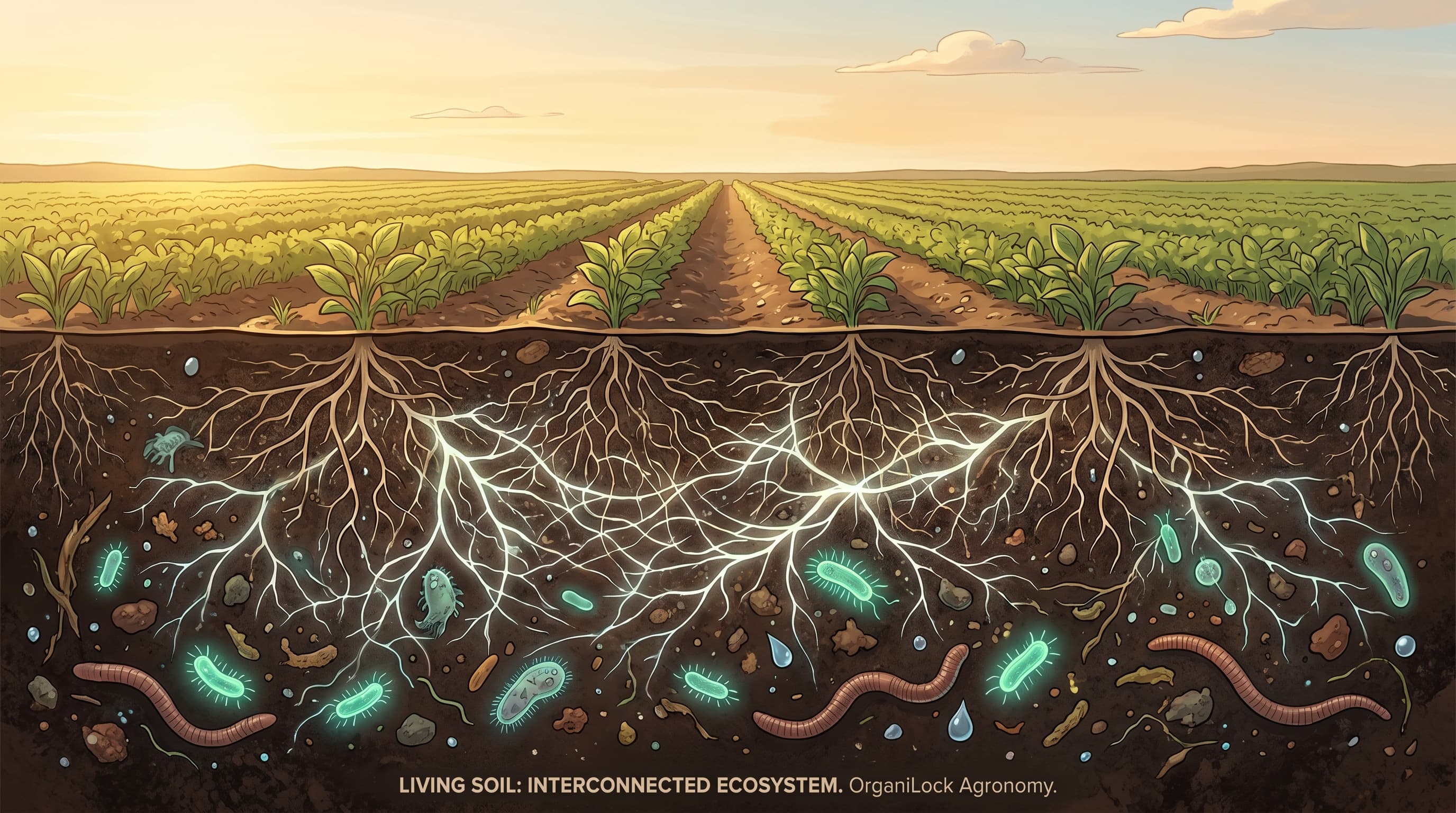
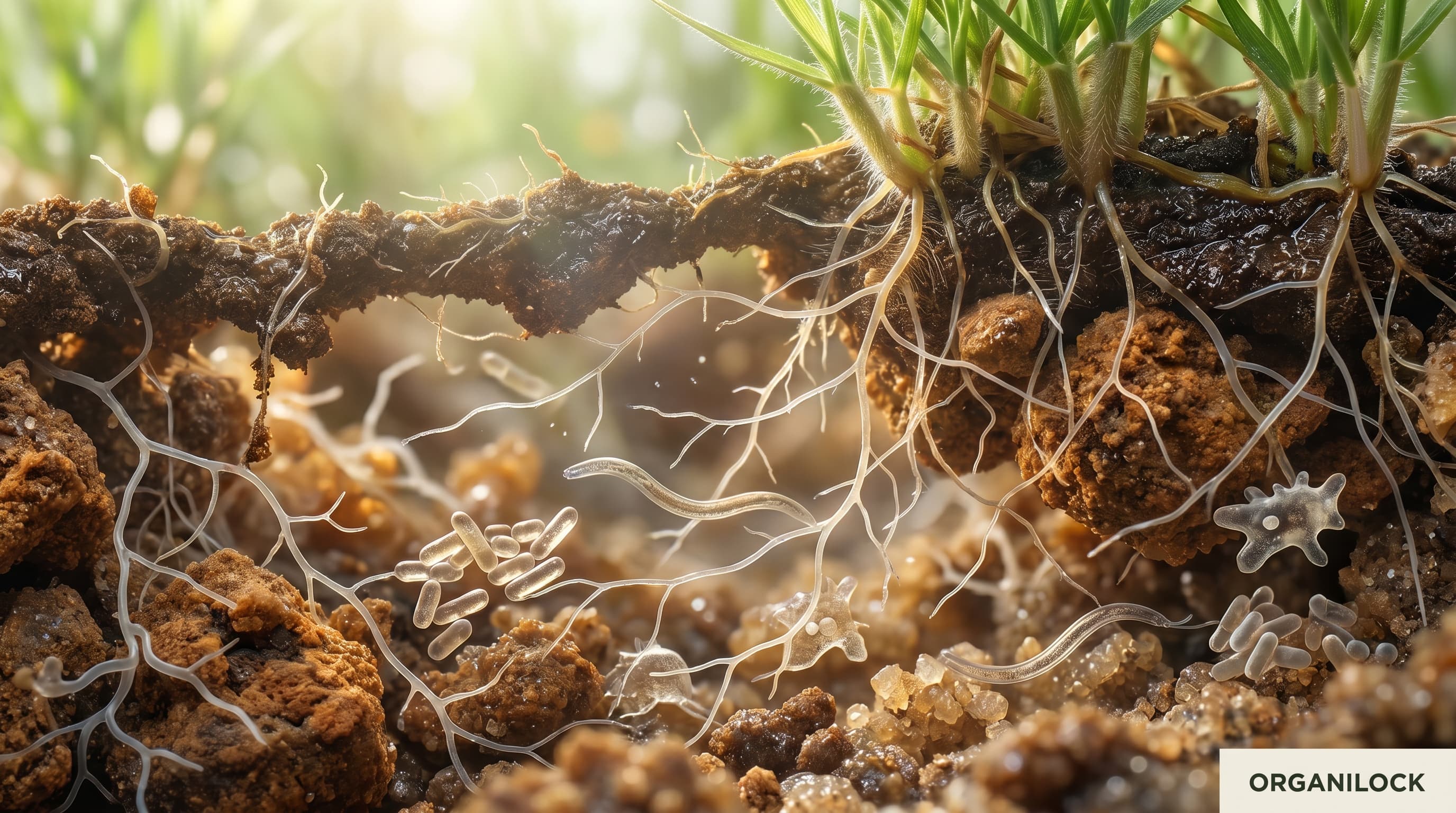
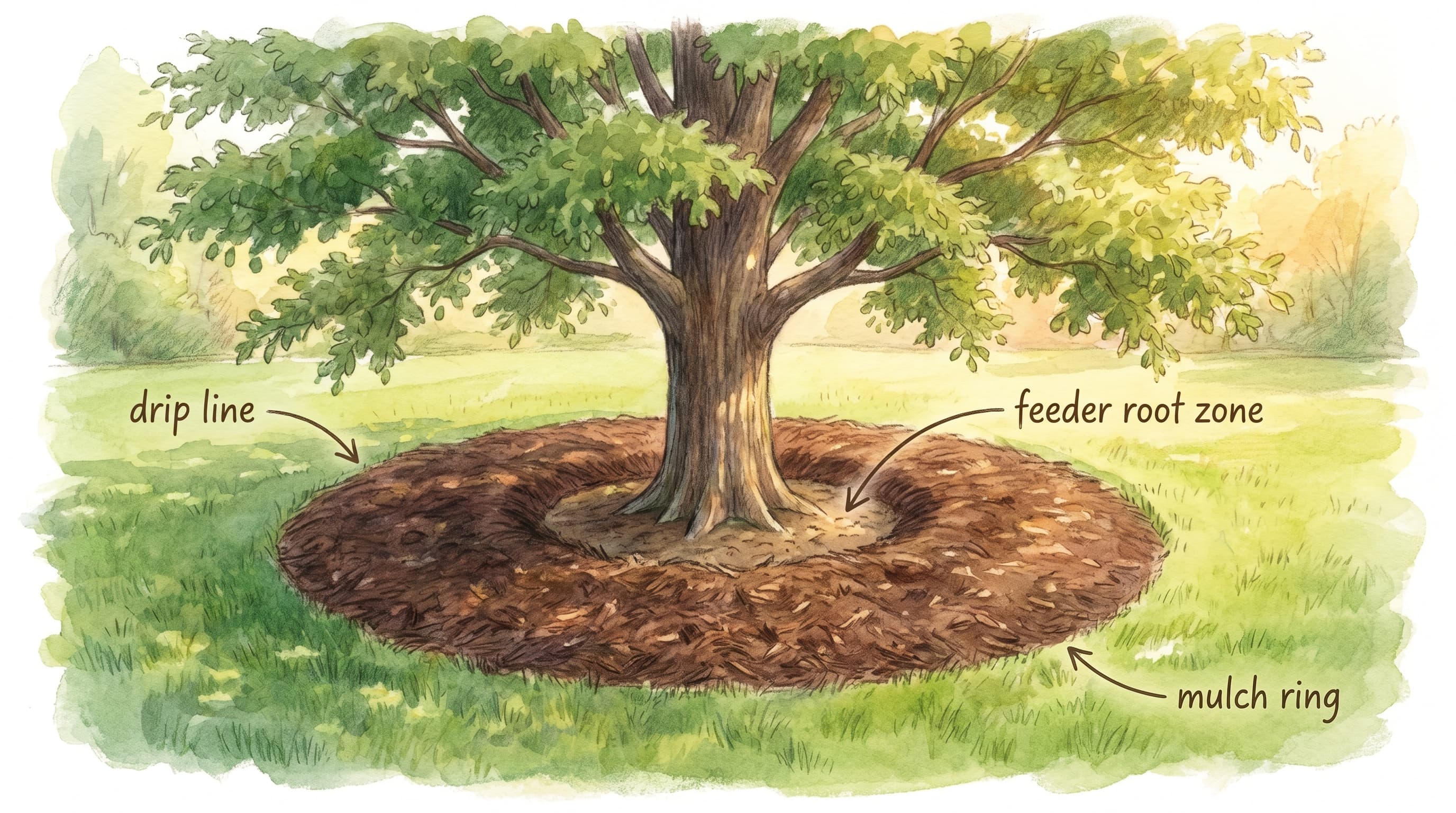
Established trees and shrubs need far less feeding than people assume - a tree growing in decent, living soil may need very little at all, and over-feeding a woody plant does more harm than good. When you do feed, do it the soil-first way: top-dress Landscape Refresh over the root zone - which extends well beyond the trunk, roughly out to and past the drip line (the edge of the branches) where the feeder roots are - and let it work into the soil with rain and watering. This keeps the soil living and fed without the heavy soluble feeding that pushes weak, sappy growth. A layer of organic mulch over the root zone does much of the feeding for free as it breaks down, steadily adding organic matter to the soil. For most established trees and shrubs, an annual or twice-yearly top-dress of Landscape Refresh, plus mulch, is the whole feeding program - gentle, slow, and matched to how these plants actually grow. Perennials, being faster than woody plants, appreciate a yearly feeding of the soil in their beds to keep up their show, but the same principle holds: feed the soil, not the plant, and keep it gentle.
Watering established plants
A well-established tree or shrub growing in living soil is far more self-sufficient with water than a new one, but watering still matters, especially in drought. The rule for established woody plants is the same as for new ones, only less often: water deeply and infrequently rather than little and often. A deep soaking that wets the soil well down into the root zone, done occasionally during dry spells, encourages the deep roots that make a plant drought-resilient; frequent shallow watering trains roots to stay near the surface where they dry out fast. The living soil you have built helps enormously here, holding moisture like a sponge so the plant coasts through dry periods that would stress a plant in poor soil. Water at the root zone out toward the drip line, not just at the trunk, since that is where the feeder roots are. In normal weather an established planting in good soil often needs no supplemental water at all; in drought, a few deep soakings carry it through.
Mulch: the quiet workhorse
If there is one habit that does the most for established trees, shrubs, and perennials for the least effort, it is mulching, and it is worth understanding everything mulch does. A few inches of organic mulch over the root zone holds moisture in the soil (cutting watering needs), moderates soil temperature (protecting roots from heat and cold), suppresses the weeds and grass that compete with the plant for water and nutrients, and - most relevant to the soil-first approach - steadily feeds the soil as it breaks down, adding organic matter and feeding the biology year after year. Maintaining a good mulch ring around your woody plants is genuinely one of the highest-value things you can do, almost a passive feeding and watering system. Keep the same cautions from planting: mulch in a ring out toward the drip line, a few inches deep, but pulled back from the trunk itself - never piled against the bark. Refresh the mulch as it breaks down (that breaking down is the point - it is feeding the soil), and you keep the root zone cool, moist, weed-free, and steadily fed with almost no ongoing work.
Pruning, briefly and well
Pruning is its own large subject, but a few sound principles serve most homeowners well. Prune to remove the three D's first - dead, damaged, and diseased wood - which is beneficial at almost any time and improves the health and safety of the plant. Beyond that, prune to shape the plant and maintain good structure, and learn the right timing for your specific plant, because it matters: many spring-flowering shrubs (like lilac and forsythia) set their buds the previous year and should be pruned right after they bloom, while others are best pruned in dormancy. Always make clean cuts with sharp tools just outside the branch collar, and avoid the temptation to top a tree (cutting off the main leaders), which damages its structure and health. When a job is large, high, or involves a valued tree, hiring a certified arborist is money well spent - they prune for the long-term health and safety of a tree in ways that protect your investment. Good pruning supports a plant's health and structure for the decades it will live; when in doubt about timing or technique for a specific plant, look it up or ask a professional.
Protect the trunk and the root zone
A surprising amount of damage to established trees and shrubs is not pests or disease or feeding at all, but simple physical injury - and protecting against it is easy once you know to. The most common culprit is "mower blight": nicks and gouges to the trunk from mowers and string trimmers run too close, which wound the bark and open the plant to disease and decline over time. A mulch ring around the base solves this neatly, keeping machinery away from the trunk while also feeding the soil - one more reason a good mulch ring is such a high-value habit. The root zone deserves protection too: the soil out toward and past the drip line is full of the feeder roots the plant depends on, and compacting it (parking, heavy foot traffic, construction) or smothering it (piling soil over the roots) can slowly suffocate and stress even a large, established tree. So mulch the base to keep mowers off, avoid compacting or burying the root zone, and be especially careful around valued trees during any construction or landscaping nearby. These are small, almost passive protections, but over the decades a tree lives they prevent some of the most common and avoidable causes of decline.
Reading an established plant that looks unwell
When an established tree or shrub starts looking poor - yellowing, thinning, dropping leaves, dieback - the diagnostic thinking from the Diagnose and Fix course applies, and the reflex to fertilize is usually wrong. With woody plants, the most common real causes are not nutrient shortages but environmental and root problems: poor drainage and waterlogged roots, drought stress, having been planted too deep, girdling roots from a bad planting, physical or mulch-volcano damage to the trunk, or pests and disease. Fertilizer fixes none of these and can stress an already-struggling plant further. So when an established plant declines, investigate before you feed: check the drainage and how the plant was planted, consider recent weather and water, look at the trunk and root flare, and inspect for pests or disease. A soil test can rule pH and real nutrient issues in or out. For a valued tree in trouble, a certified arborist can diagnose problems a homeowner cannot see. The principle holds: with a struggling woody plant, read the real cause before reaching for fertilizer, because the cause is usually something feeding cannot fix.
An honest word on pests and disease, again
It bears repeating in the context of established plants, because over a long life a tree or shrub will meet pests and diseases, and the honest boundaries matter. OrganiLock products are soil and plant nutrition, not insecticides or fungicides - they will not kill, repel, or cure a pest or disease, and a healthy soil program is not a substitute for proper treatment when a real problem strikes. What the soil-first approach genuinely offers is resilience: a tree or shrub grown in living, balanced soil, well-watered and well-mulched, is stronger and better able to withstand and recover from pest and disease pressure than a stressed plant in poor soil - which, over the decades these plants live, is a real and valuable advantage. But when a genuine infestation or disease appears - borers, scale, a canker, a blight - identify it and turn to a certified arborist, a nursery professional, or your local extension office for the correct, properly-labeled treatment. Keep your plants strong through living soil so they face fewer problems and recover better; handle the real problems with the real tools when they come.
Plain-English takeaway: Established trees, shrubs, and perennials are low-key but not no-key: feed gently through the soil (top-dress Landscape Refresh over the root zone out to the drip line, plus mulch - never heavy soluble feeding), water deeply and infrequently, keep a good mulch ring (off the trunk), prune the three D's and learn your plant's timing, and when one looks unwell read the real cause (drainage, depth, girdling, pests) before feeding. OrganiLock is nutrition, never a pesticide.