Trees, shrubs, and perennials live on a longer clock than anything else in the garden, and caring for them well means thinking in years and decades, not weeks. This final lesson pulls the guide together: the seasonal rhythm of caring for woody and perennial plants, the special arc of perennials through the year, and the long view that makes growing these plants so rewarding - the way a landscape, tended the soil-first way, becomes more beautiful and more valuable with every passing year.
Spring - feed the soil and start the season
Spring is when trees, shrubs, and perennials break dormancy and begin their season of growth, and it is a natural time to feed the soil they live in. Top-dress Landscape Refresh over the root zones of your trees and shrubs and into your perennial beds as growth begins, refreshing the soil for the season ahead, and renew the mulch where it has broken down over winter. Spring is also the main planting season for new trees, shrubs, and perennials (along with fall) - if you are adding to the landscape, plant the right way from Lesson 2, building the soil with Soil Food as you go. For perennials, spring is when you cut back last year's dead growth (if you left it for winter), divide overgrown clumps, and clean up the beds as new shoots emerge. A gentle, soil-building start in spring sets your long-lived plants up to grow strong through the year.
Summer - support and observe
Summer is the season of full growth and, often, of stress from heat and drought, and your job is mostly to support and watch. Keep an eye on water, especially for newly-planted trees and shrubs still establishing and for everything during dry spells - a few deep soakings carry plants through drought far better than frequent sprinkling, and the mulch and living soil you have built do much of the moisture-holding work. Avoid feeding woody plants heavily in summer, particularly with anything that would force a late flush of soft growth that will not harden off before winter. For perennials, summer is the show - deadheading spent flowers (removing them) often encourages more blooms and keeps beds tidy, and a perennial bed in living soil largely takes care of itself with watering and mulch. Mostly, summer is about steady support and observation: water through drought, watch for any problems, and let the soil carry your established plants through the heat.
Fall - the best time to plant and feed the soil
Fall is a wonderful season for trees, shrubs, and perennials, and in many ways the best time of year for them. It is often the ideal planting time: the soil is still warm enough to grow roots but the cooling air means less stress on the top of the plant, so a fall-planted tree or shrub spends the season establishing roots and gets a jump on spring. Fall is also a prime time to feed the soil - top-dress Landscape Refresh and add organic matter or mulch over the root zones, so the soil rebuilds over the cooler months and the plants' fall and early-winter root growth is well supported. Avoid heavy nitrogen feeding late in the season that would push tender new growth right before frost, but feeding the soil itself - building organic matter and biology that work in over winter - is exactly right. For perennials, fall is when you decide what to cut back now and what to leave standing for winter interest and to shelter beneficial insects. A landscape fed and planted in fall comes into the next year stronger.
Winter - protect and rest
Winter is the dormant season for most trees, shrubs, and perennials, and care is mostly protective. A good layer of mulch over the root zones insulates roots against the cold and the freeze-thaw cycles that can heave shallow-rooted perennials right out of the ground. Young or thin-barked trees may benefit from trunk protection against winter sun-scald and animal damage, and brittle evergreens may need a gentle brushing-off after heavy snow. Dormant-season pruning of many deciduous trees and shrubs is done now, while the plant is leafless and its structure is easy to see (always saving the spring-bloomers for after they flower). Beneath the surface the soil rests but is not dead, slowly working on the organic matter you added in fall. Winter is also the time to plan - to look at the bones of your landscape, decide on additions or changes, and dream up next year's plantings. Protect the roots, rest the plants, and plan the long view.
The perennial's year, a little more closely
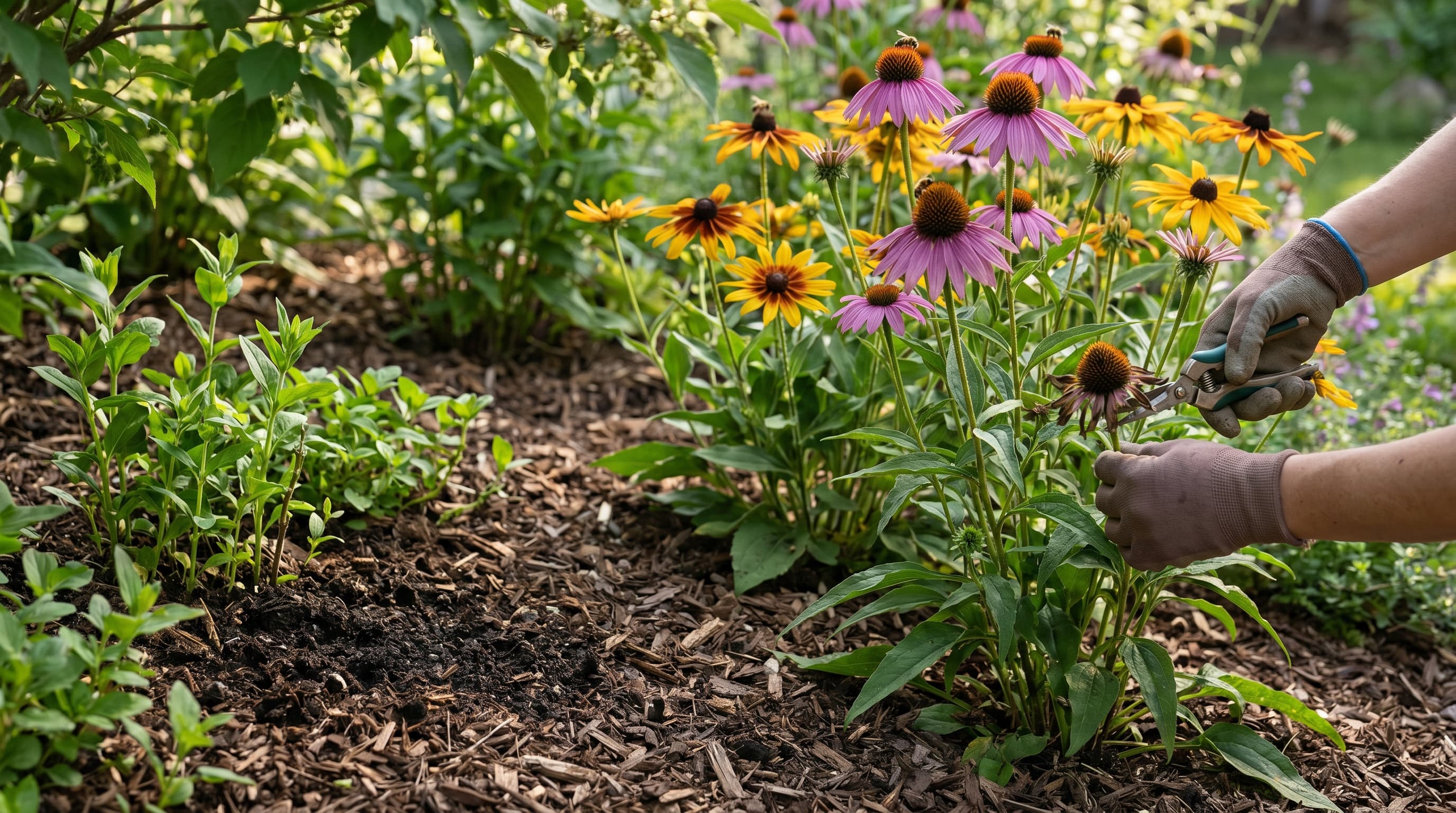
Perennials deserve a closer look because their yearly arc is distinct from woody plants and genuinely satisfying to work with. A perennial dies back to the ground (or near it) each year and returns from its roots, so its year has a clear rhythm: emerging and growing in spring, blooming through its season in spring, summer, or fall depending on the plant, then dying back as cold returns. Caring for them across that arc is simple and rewarding - feed the soil of the bed each year (a yearly top-dress keeps the soil rich enough to fuel the show), divide clumps every few years when they grow crowded or bloom less (which rejuvenates the plant and gives you free new plants to spread around), deadhead through the season to encourage more bloom, and cut back the dead growth either in fall or spring. Because perennials grow faster and harder than woody plants, they appreciate that yearly feeding of their soil more than a slow tree does - but the principle is identical: feed the living soil of the bed, and the perennials reward you with years of returning color from the same roots.
What to expect, year by year
It helps to know the trajectory of a well-planted tree or shrub, so you can be patient with the early years and recognize the payoff as it arrives - because woody plants famously reward patience. There is an old gardener's saying about newly-planted trees and shrubs: the first year they sleep, the second year they creep, and the third year they leap. It captures something real. In year one, a new planting puts most of its energy underground into establishing roots, and the top may seem to barely grow - this is normal and exactly what you want, not a sign of failure. In year two, with roots established, the plant begins to grow more visibly and needs less hand-watering as it starts finding its own moisture in the living soil you built. By year three and beyond, a well-planted tree or shrub in good soil hits its stride, growing strongly and steadily, increasingly self-sufficient, and asking less of you each year as its roots deepen and the soil around it richens. Knowing this rhythm changes how you tend a young plant: you water and protect it faithfully through the sleepy first year or two, resist the urge to force it with heavy feeding, and trust that the leap is coming. The gardeners who lose new trees are often the ones who either neglect that crucial establishment watering or, impatient with the slow start, try to force growth the plant is not ready for. Patience through the early years is rewarded with a lifetime of strong growth.
The long view: a landscape that appreciates
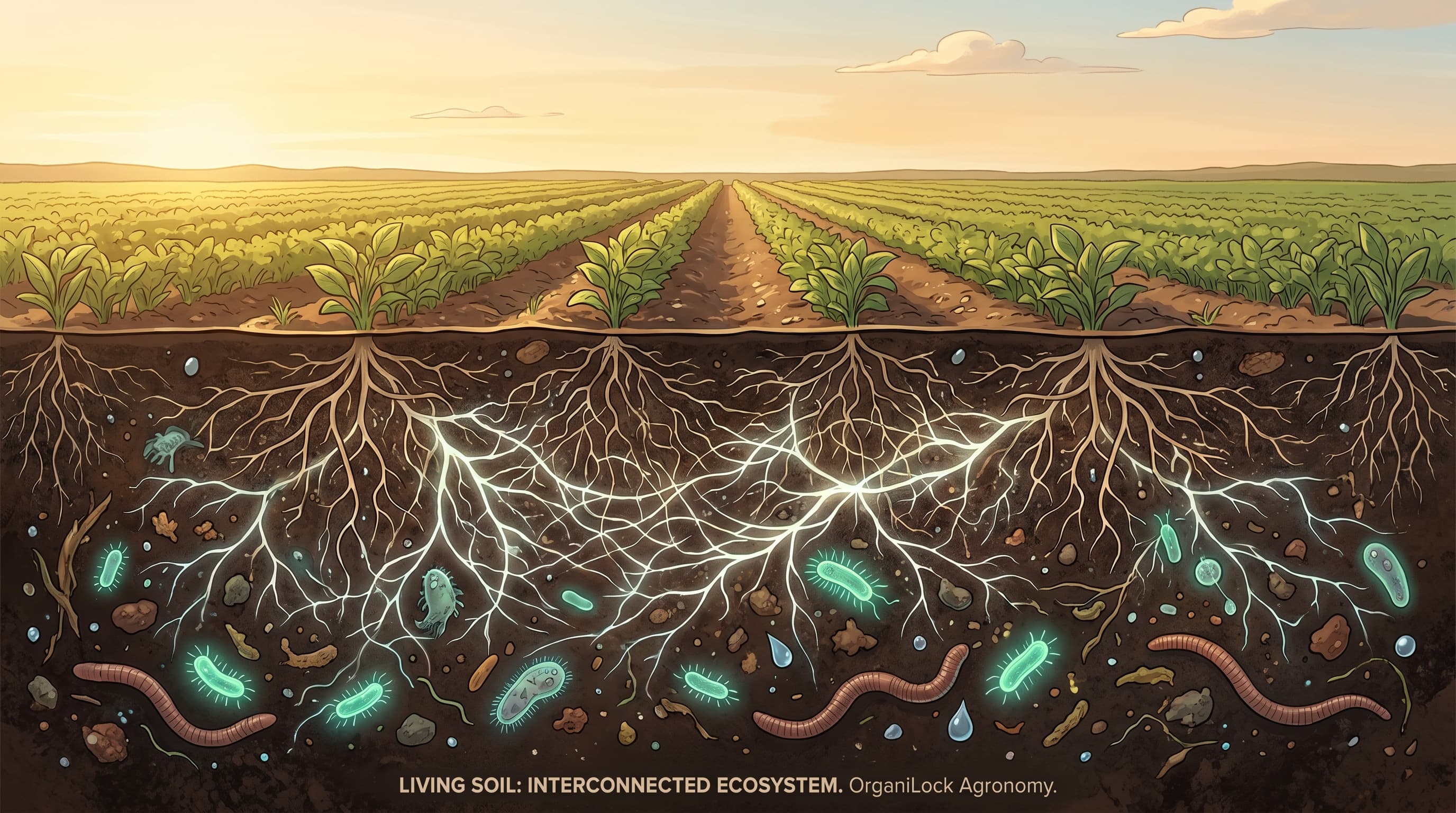
Step back and look at the whole arc, because the long view is what makes growing trees, shrubs, and perennials so deeply rewarding. Unlike a vegetable garden that resets each year, a landscape tended the soil-first way compounds across the years in a way you can watch unfold. Plant a tree well, in living soil, and it grows a little each year into something larger, stronger, and more beautiful - throwing more shade, more flowers, more presence - while the soil around it, fed gently and mulched year after year, grows richer and supports it better. A perennial bed fills in and matures, the divisions you make spreading color across the whole yard. The shrubs settle into their place and frame the home. Over a decade, a landscape grown this way becomes something a quick-fix approach never produces: mature, established, resilient, and genuinely more valuable - to your enjoyment and to your property. That is the long game these plants invite you into. Feed the soil, plant well, tend patiently through the seasons, and you are not just keeping plants alive - you are growing a landscape that gets better, and worth more, with every year you tend it.
Plain-English takeaway: Trees, shrubs, and perennials live on a years-and-decades clock: feed the soil and start growth in spring, support and water through summer stress, plant and feed the soil in fall (often the best season), and protect roots and plan in winter - with perennials fed yearly and divided every few years. Tended the soil-first way, a landscape compounds: it grows more beautiful, more resilient, and genuinely more valuable with every year.