There is a bigger idea than "organic," and it is quietly reshaping how thoughtful gardeners and farmers think about growing: regenerative agriculture, and the broader soil-health movement behind it. Where "organic" is mostly about what you avoid, regenerative is about what you actively build. This lesson explains what regenerative means, why it matters, and how the soil-first approach you have been learning fits squarely within it - so you can see your own garden as part of something larger.
Beyond "organic": what regenerative means
Organic growing, at its core, is defined by avoidance - growing without synthetic pesticides and fertilizers. That is valuable, but it is a starting line, not a finish line. Regenerative agriculture asks a more ambitious question: not just "how do we avoid harm?" but "how do we actively make the soil better?" A regenerative approach aims to leave the soil healthier than it found it - building organic matter, reviving the soil biology, improving structure, and storing carbon - season after season. The shift in mindset is from sustaining (holding steady) to regenerating (actively rebuilding). You can grow organically and still slowly deplete your soil; regenerative growing is the practice of reversing that, of treating the soil as a living system to be restored and enriched rather than merely used.
The soil-health movement
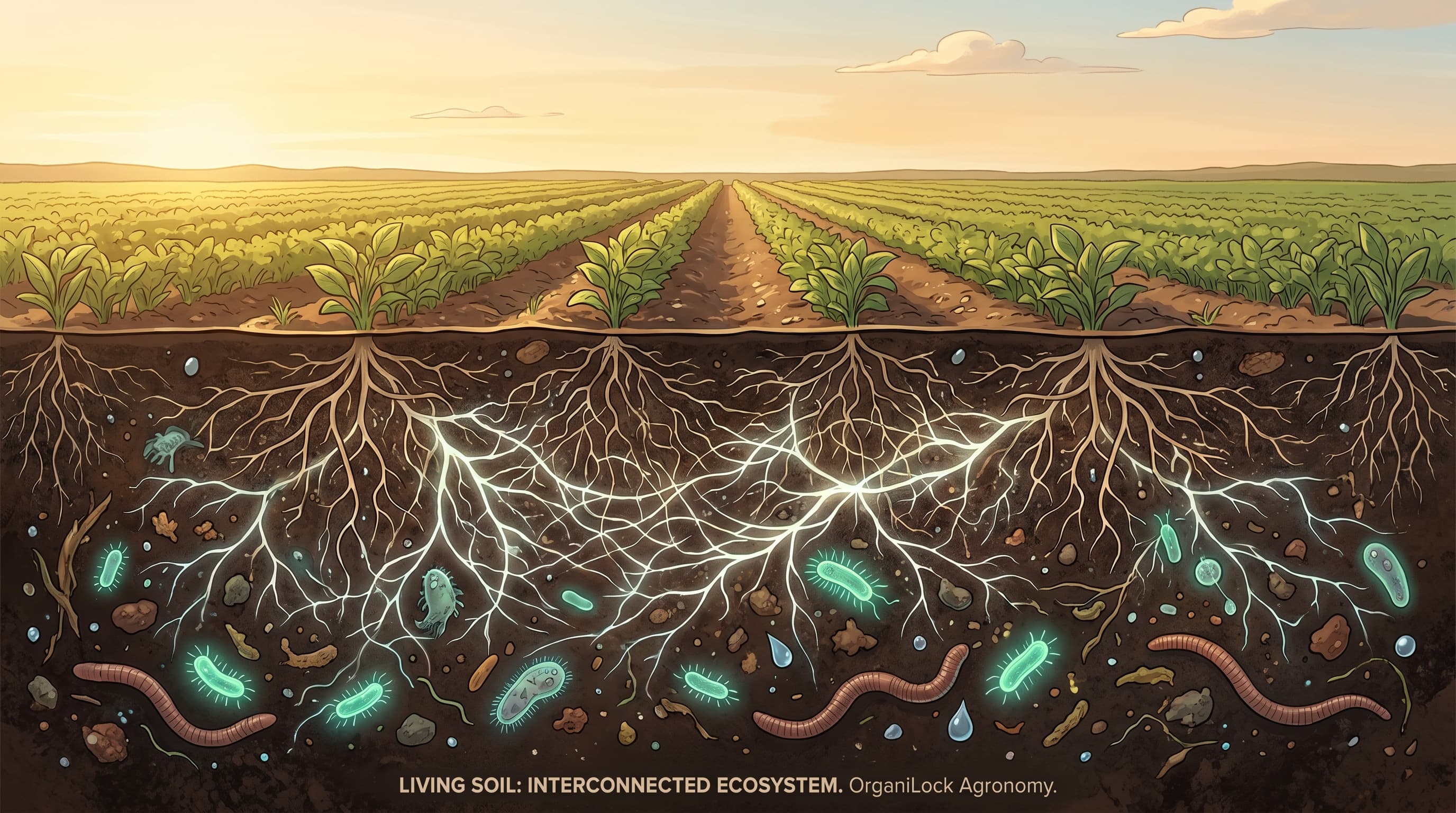
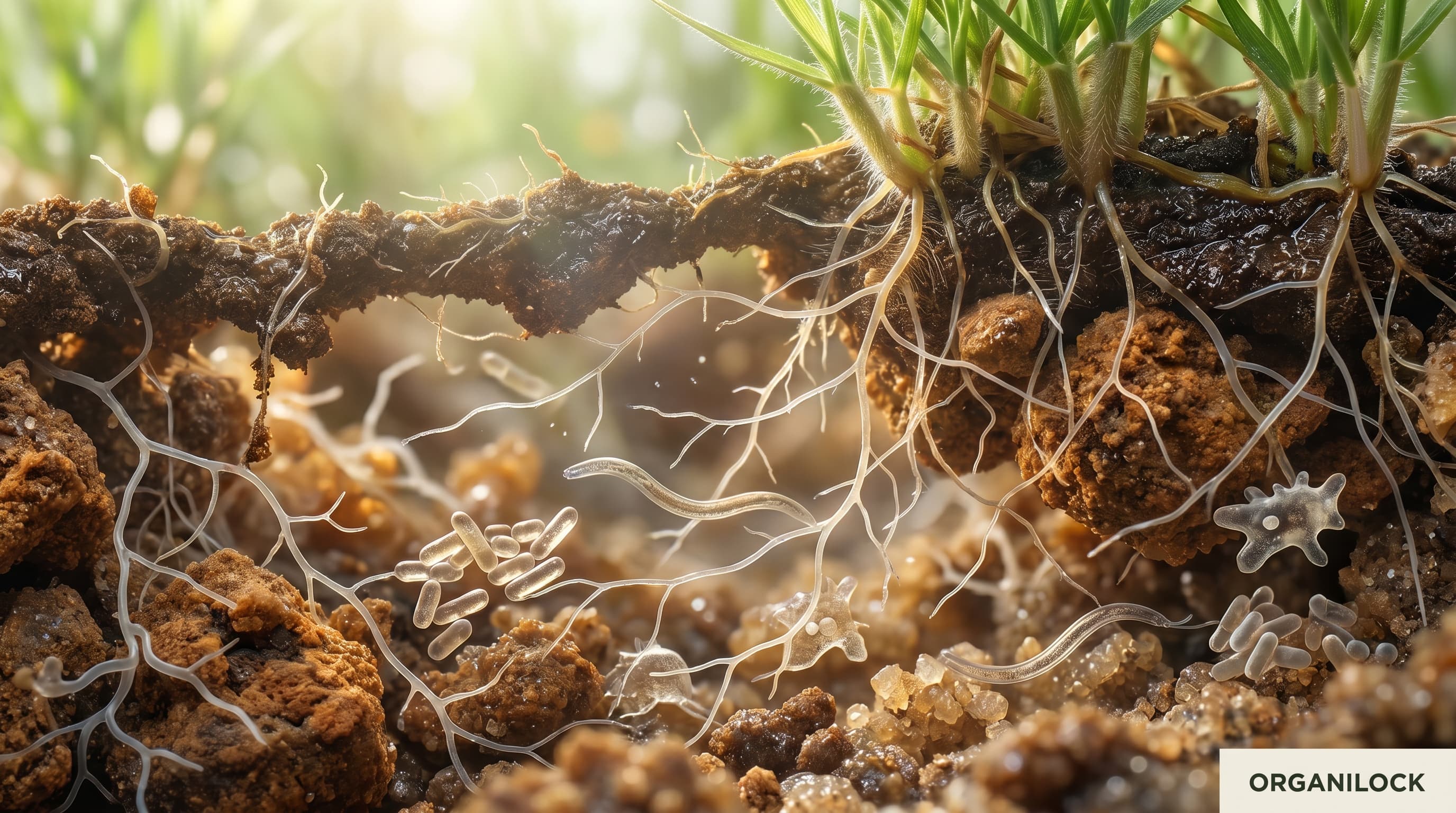
Regenerative agriculture is part of a broader awakening often called the soil-health movement, and the core insight is the one you have met throughout this Academy: the foundation of everything that grows is living soil. For decades, mainstream growing focused on feeding the plant - measuring success by the nutrients poured on and the yields pulled off - while the soil underneath quietly declined. The soil-health movement turns that around, recognizing that a soil rich in organic matter and biology is what actually sustains healthy plants, holds water, resists erosion, and keeps producing over the long term. It has gathered momentum among farmers, researchers, and gardeners alike, all converging on the same realization: take care of the soil, and the soil takes care of the rest. When you feed your soil rather than just your plants, you are practicing the home-garden version of exactly this idea.
Why it matters - honestly and evenhandedly
It is worth being fair and clear-eyed about why this matters, because the regenerative case is strongest when it is honest. Conventional, synthetic-input farming is genuinely productive and has helped feed billions of people - it is not a villain. The case for building soil health is not that synthetic agriculture is evil, but that healthy, living, carbon-rich soil is the more durable foundation for the long term: it holds water through dry spells, it resists the erosion that strips away topsoil, it cycles nutrients efficiently, and it stays productive over decades rather than declining and needing ever more inputs to prop it up. There is also a genuine stewardship dimension - the idea that we should leave the land better than we found it, for its own sake and for those who come after. That is a values-based motivation many growers feel, and it is a perfectly honest one, held without any need for grand or preachy claims. The strongest argument for regenerative growing is simply that, over the long run, living soil is the better foundation.
Carbon, water, and the long game
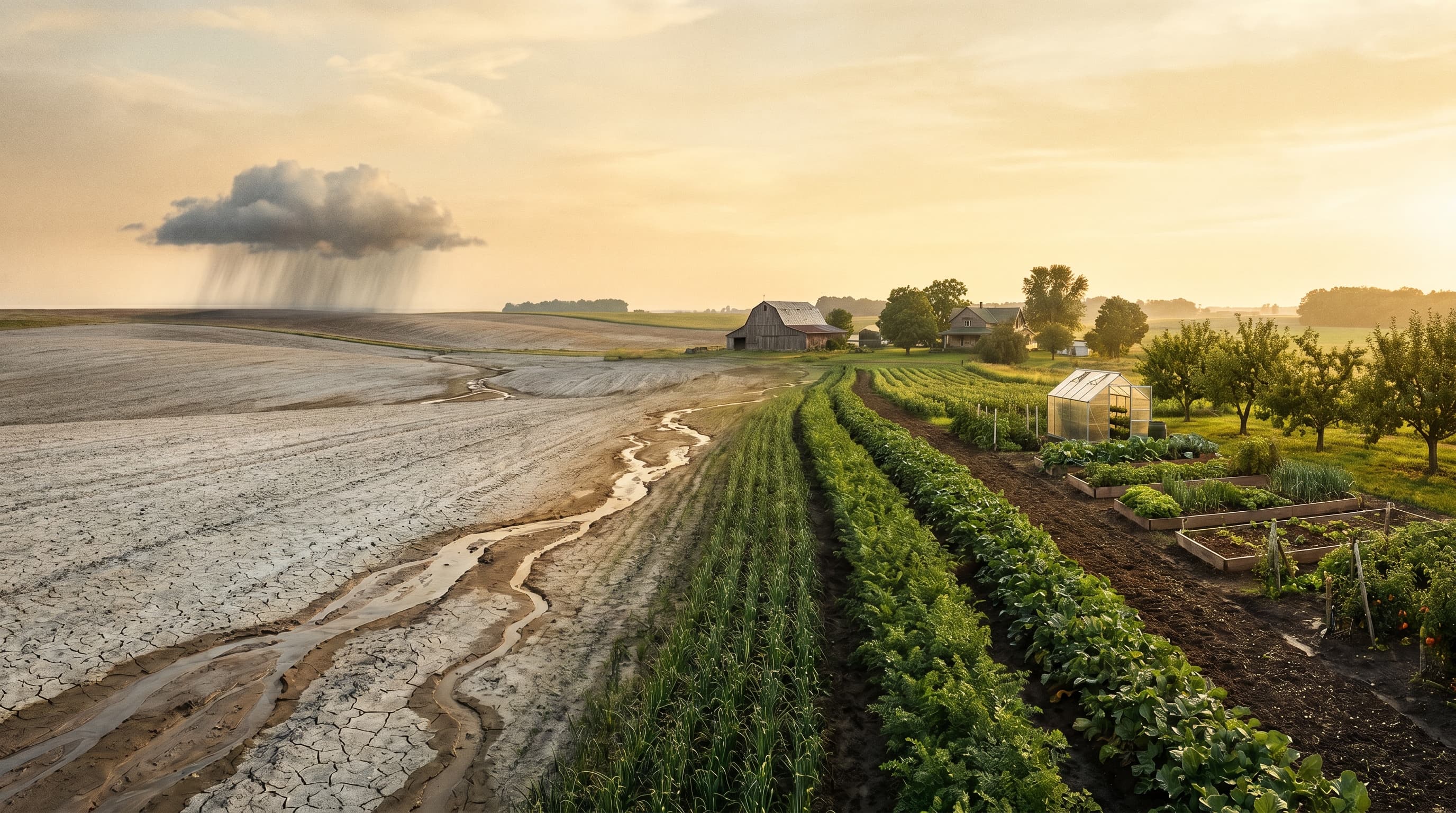
Two threads run through the regenerative case that are worth pulling out, because they explain why soil health matters beyond any single garden. The first is carbon. Building organic matter in the soil is, quite literally, storing carbon in the ground - the same carbon that, in the air, is a climate concern. A soil rich in organic matter is a soil that has pulled carbon down and locked it away in living, productive form, which is one reason the soil-health movement has drawn interest well beyond gardening circles. The second is water. A soil high in organic matter acts like a sponge, soaking up rain and holding it for plants through dry spells, while a depleted soil sheds water and erodes. In a world of more erratic weather, that water-holding, erosion-resisting capacity is a genuinely practical benefit, not just an abstract good. You do not need to frame your tomato bed in global terms, but it is worth knowing that the same practices that make your garden thrive - building organic matter and living soil - are the home-scale version of what makes farmland resilient over the long game.
How a home gardener practices it
Regenerative growing can sound grand, but at the home-garden scale it comes down to a handful of approachable habits, most of which this Academy already teaches. Keep the soil covered, with mulch or living plants, rather than leaving it bare to erode. Disturb the soil as little as you can, since heavy digging burns through organic matter and structure. Feed the soil with organic matter and biology - compost, and a soil-building amendment - rather than just feeding the plant. Grow a diversity of plants, and where you can, use cover crops to protect and build the soil between main crops. And return what you can to the soil, closing the loop rather than carting everything away. None of these requires a farm or special equipment; they are simply the habits of treating your soil as a living system to be built up. Do a few of them, and your own garden becomes a small, genuine piece of the regenerative movement - and, not coincidentally, a far better place to grow.
Where OrganiLock fits
The soil-first approach you have been learning - feeding the living soil so it feeds your plants and gets richer over time - is the home-garden expression of regenerative agriculture. That is the spirit behind describing the flagship product as "regenerative agriculture in a bag": Soil Food and the broader line are built to rebuild living soil, adding organic matter, beneficial biology, and biochar to restore a tired soil into a thriving one. It is honest to place OrganiLock within the regenerative and soil-health movement, because that is genuinely what the products are designed to do. It is just as honest to say that no single bag is the whole of regenerative practice - building living soil is also about compost, cover crops, mulching, minimal disturbance, and good water care, and OrganiLock is one powerful tool within that fuller practice, not a substitute for it. Used as part of a soil-building approach, it is a real way to bring regenerative principles home to your own garden. And there is something quietly satisfying in that: every season you feed your soil rather than just your plants, you are leaving a small patch of the earth a little richer than you found it, which is the heart of what regenerative growing is really about.
Plain-English takeaway: Regenerative agriculture goes beyond "organic" (avoiding harm) to actively rebuilding soil - organic matter, biology, structure, carbon - leaving the soil better than it found it, the core of the soil-health movement; the honest case is that living soil is the more durable long-term foundation (not that synthetic farming is evil), and the soil-first approach is the home-garden version of it.