Welcome - you are about to learn the one idea that makes everything else in gardening easier. It takes about two minutes, and once it clicks, a lot of the confusion around fertilizers, products, and plant problems simply falls away. Here it is: the secret to a great garden is not feeding your plants. It is feeding your soil. Spend a few minutes on this idea now and the rest of your growing will make far more sense.
The thing most people get backwards
Most gardening advice points you at the plant: pick a fertilizer, pour it on, watch things green up. That works in a narrow way - the plant gets a quick hit of nutrition - but it misses the bigger picture, because it does nothing for the soil underneath. Over time, a garden fed this way gets needier, not stronger: you find yourself reaching for more product every season just to keep things going. There is a better way, and it starts by looking down instead of up.
Healthy soil grows healthy plants
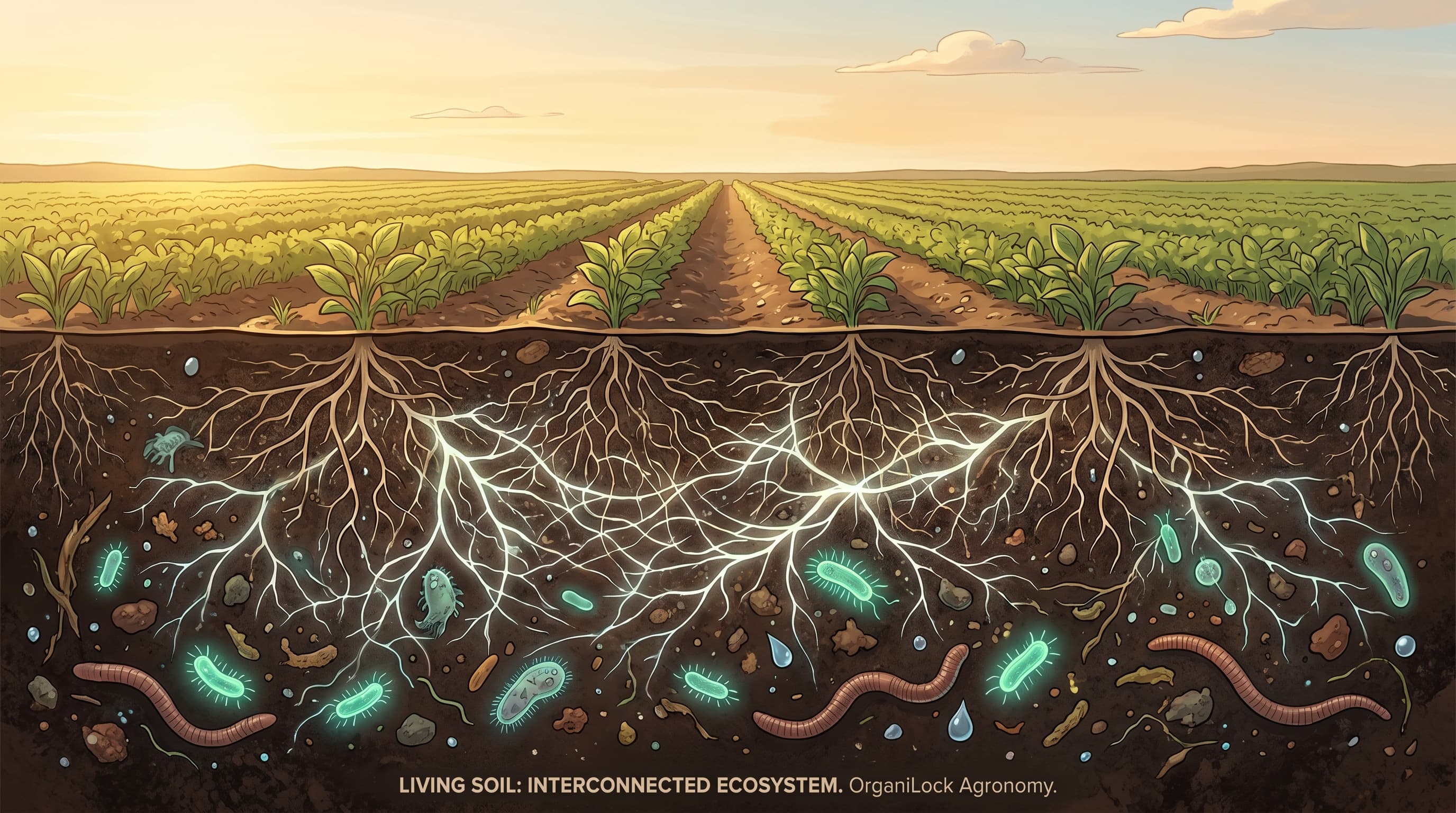
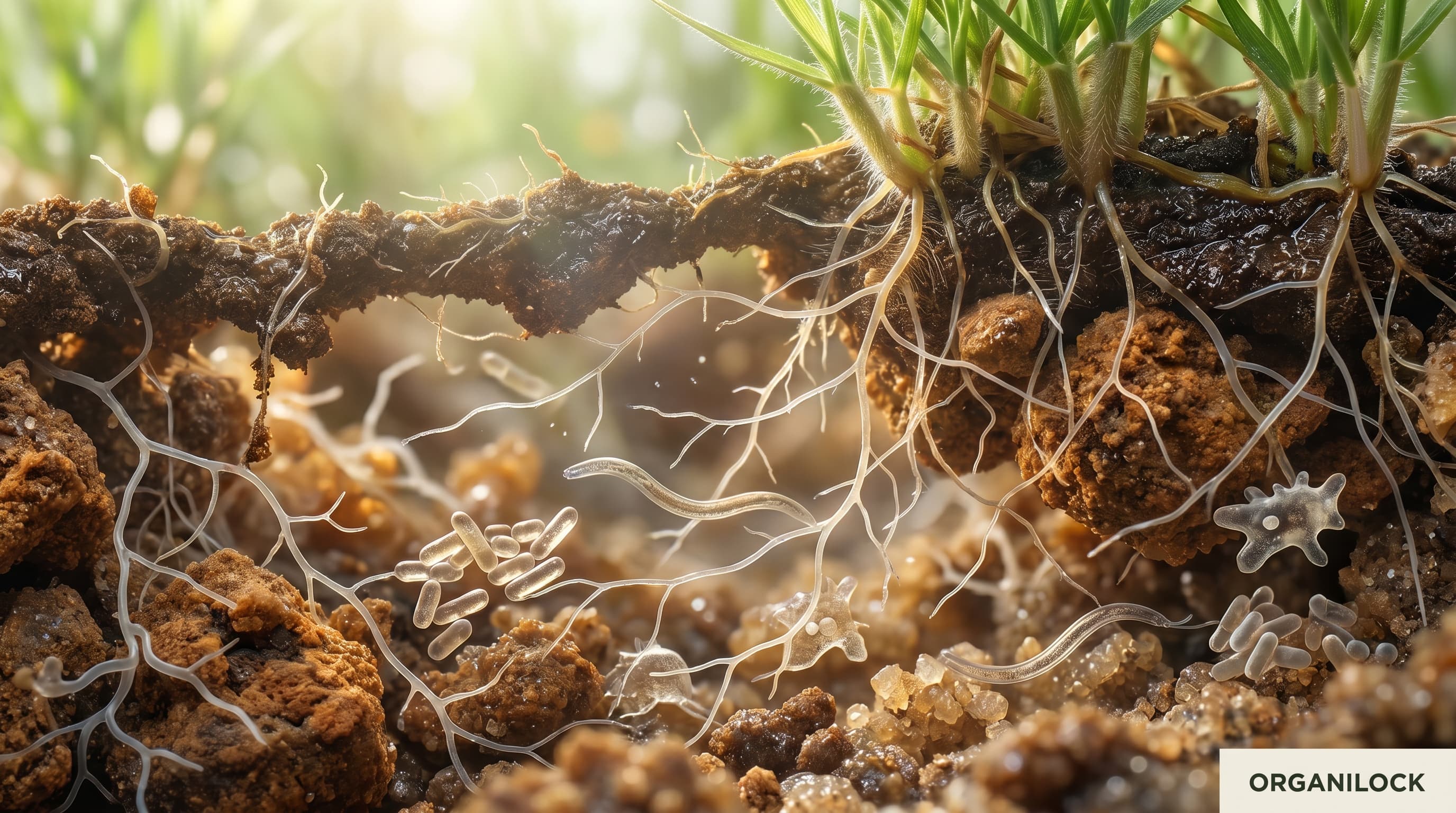
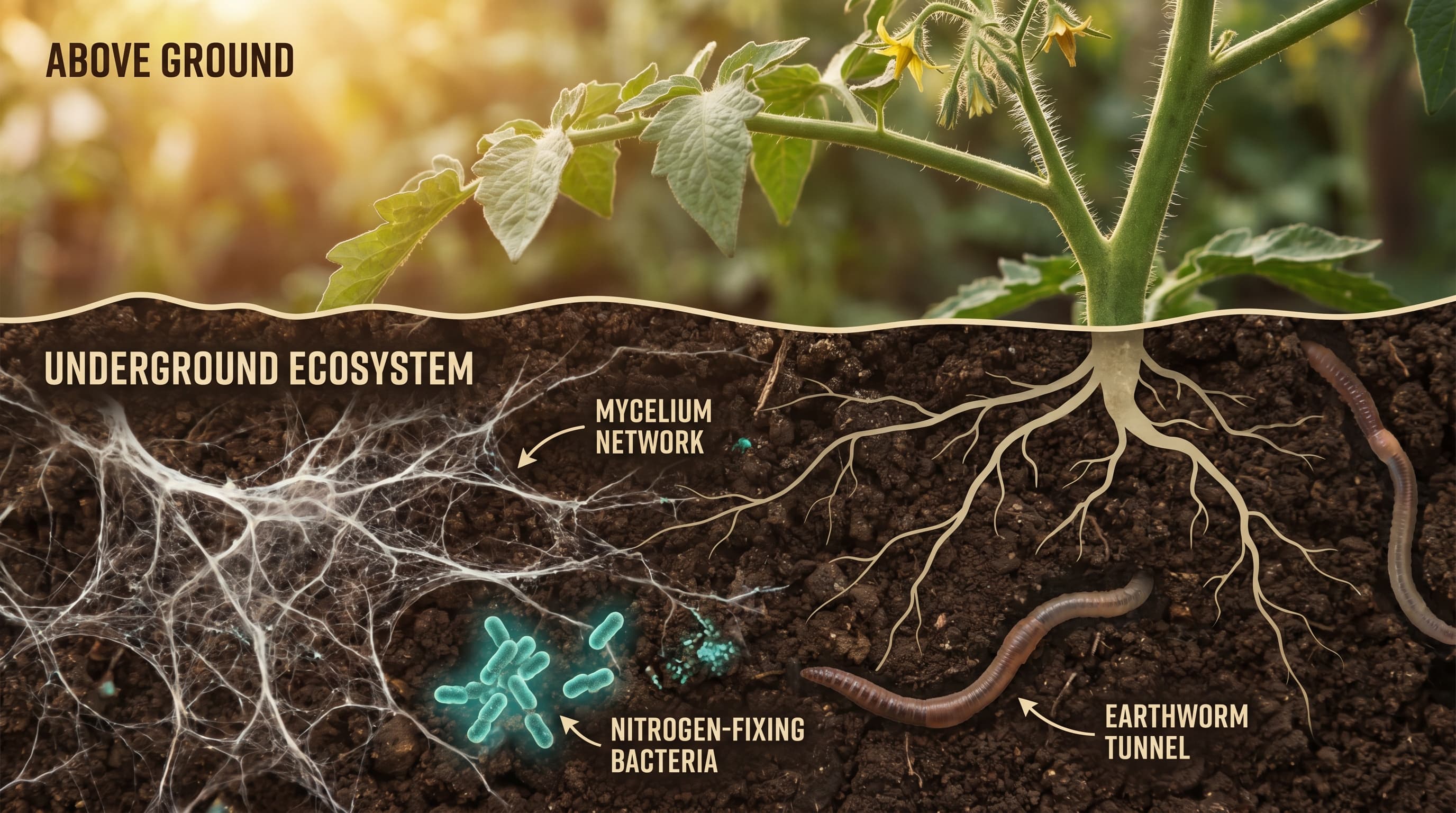
Here is the truth that changes everything: healthy soil is not just dirt that holds your plants up. It is alive - full of beneficial fungi, bacteria, and organic matter - and that living community is what actually does the feeding. In a healthy soil, the biology breaks down organic matter and delivers nutrients to your plants steadily, the way nature intended, while holding water and building structure at the same time. Plants growing in living soil are simply healthier, more productive, and more resilient than plants growing in tired, lifeless dirt. The soil does the heavy lifting; your job is to keep it alive.
Why this matters for your garden
When you shift from feeding the plant to feeding the soil, your garden starts working with you instead of against you. A living soil holds onto nutrients and releases them as plants need them, so you do less guessing and less constant feeding. Even better, it builds over time: a garden tended this way gets richer and easier each year, rather than more demanding. And it is safer too - because you are working with the soil's natural processes rather than dousing plants with concentrated chemicals, a living-soil garden is a gentler, more forgiving place to grow food. That is the whole promise of the approach you are about to learn - not a quick fix, but a garden that genuinely gets better the longer you grow. The next lesson turns this idea into a single, simple rule you can actually follow.
Picture it
Here is the idea in a picture. Imagine two tomato plants side by side. One grows in tired, lifeless dirt and gets a splash of liquid fertilizer every week - it greens up after each feeding, then fades until the next one, and the gardener is always topping it off. The other grows in dark, crumbly, living soil full of biology - it is fed steadily by that soil, day after day, with no weekly scramble, and the soil it grows in is a little richer at the end of the season than it was at the start. Same plant, two completely different experiences, and the difference is entirely in the soil. That second plant - fed by living soil that gets better over time - is what this whole approach is about, and it is well within your reach.
Plain-English takeaway: The secret to a great garden is feeding the soil, not just the plant - healthy soil is alive with biology that does the real feeding, so plants in living soil are healthier and more resilient, and a soil-first garden gets better and easier every year instead of needier.