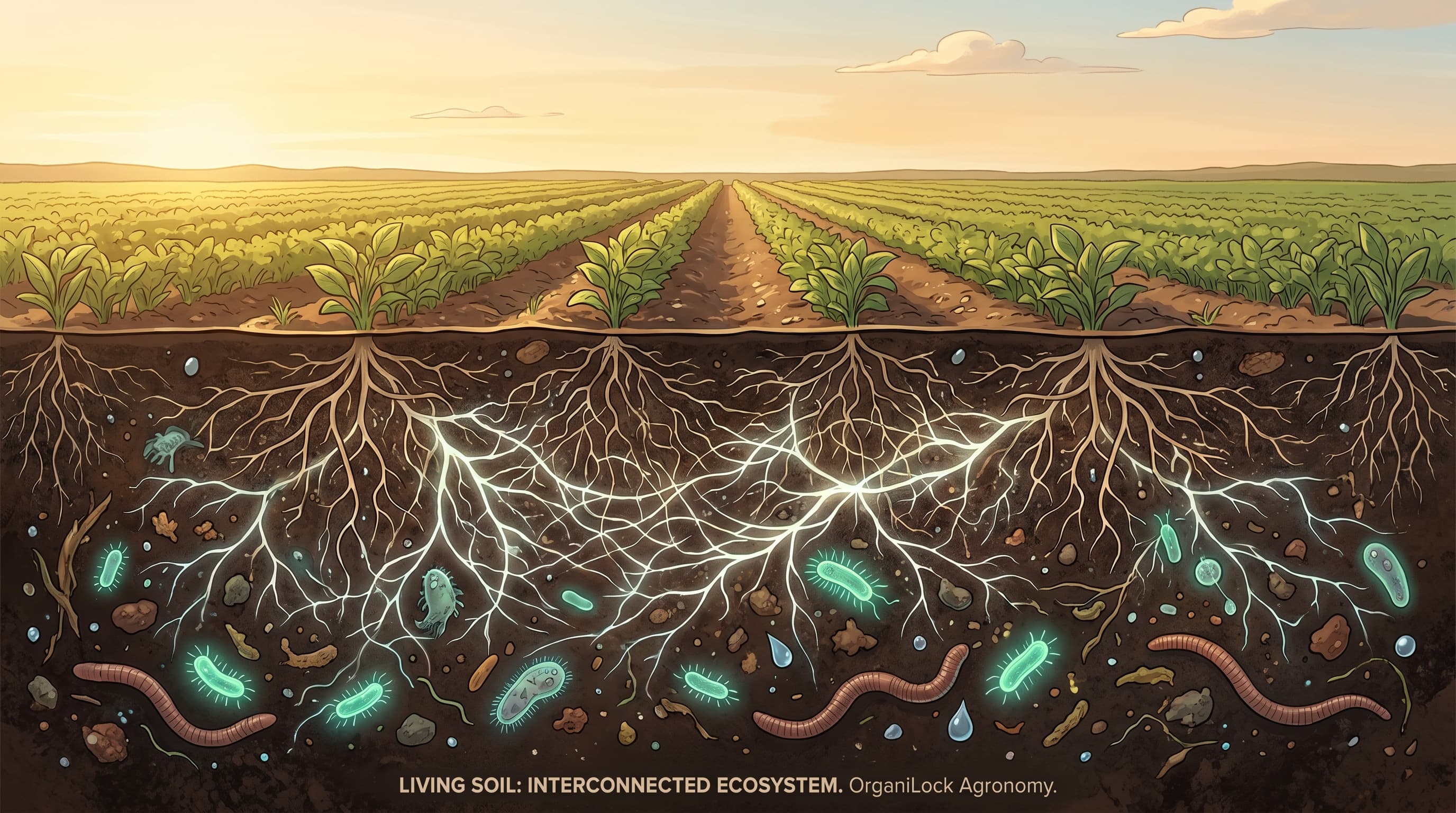
If you remember only one thing from this entire Quick Start, make it this: feed the soil, and the soil feeds the plant. That single rule is the heart of how OrganiLock works and the simplest guide you will ever have for a healthy garden. This short lesson unpacks what it means and how to actually do it - so you can put it to work in your own beds, pots, or yard right away.
The rule, in one line
Feed the soil, and the soil feeds the plant. Instead of pouring nutrients directly onto your plants and hoping the timing is right, you build up the living soil they grow in, and that soil then delivers what the plants need, steadily, on its own. It is a small shift in thinking with a big effect: you stop being the plant's short-order cook and start being the soil's caretaker, and the soil takes care of the rest. Nature has been feeding plants this way for as long as plants have existed - through living soil - and all you are doing is working with that system instead of around it.
What feeding the soil looks like
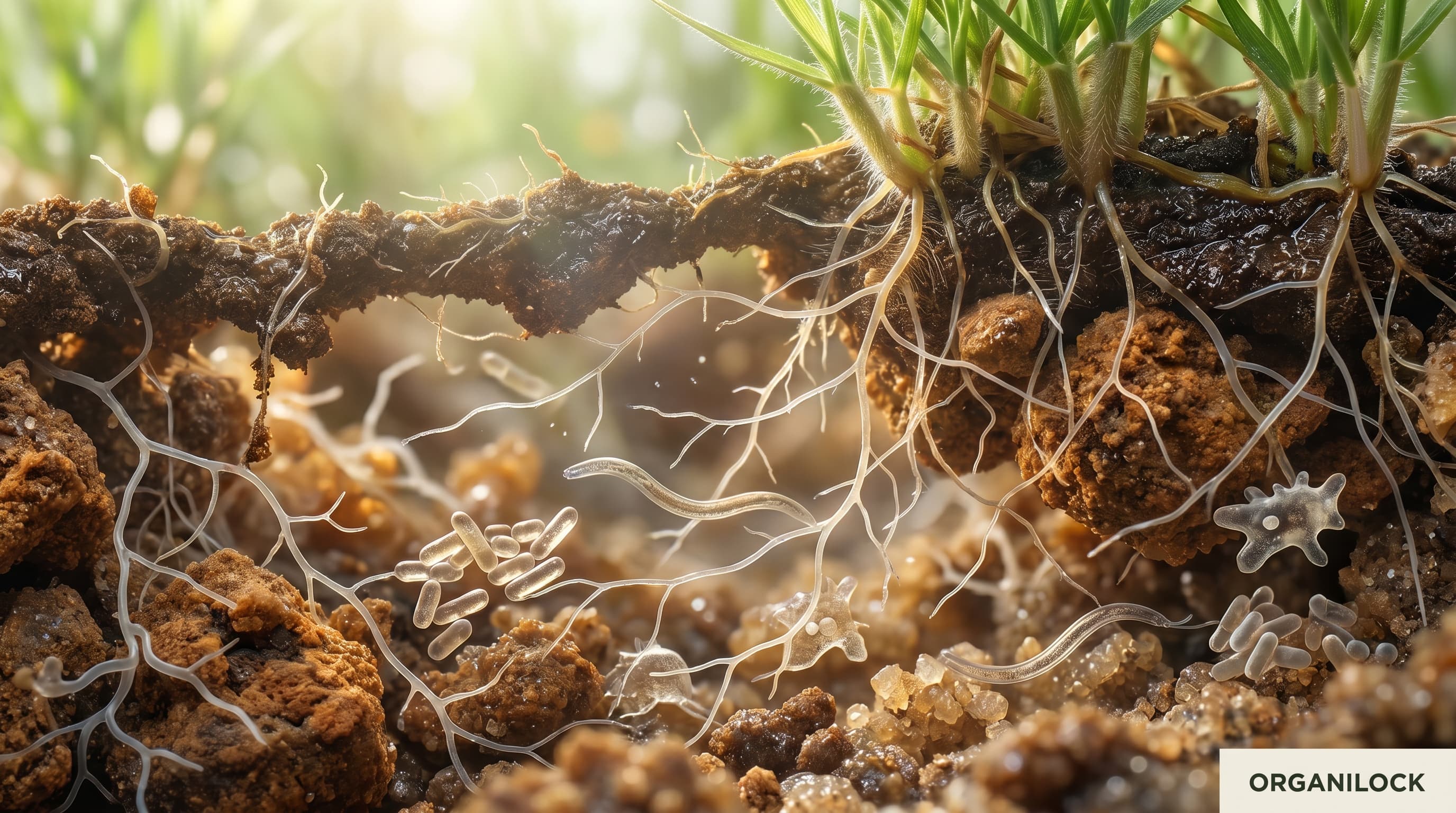
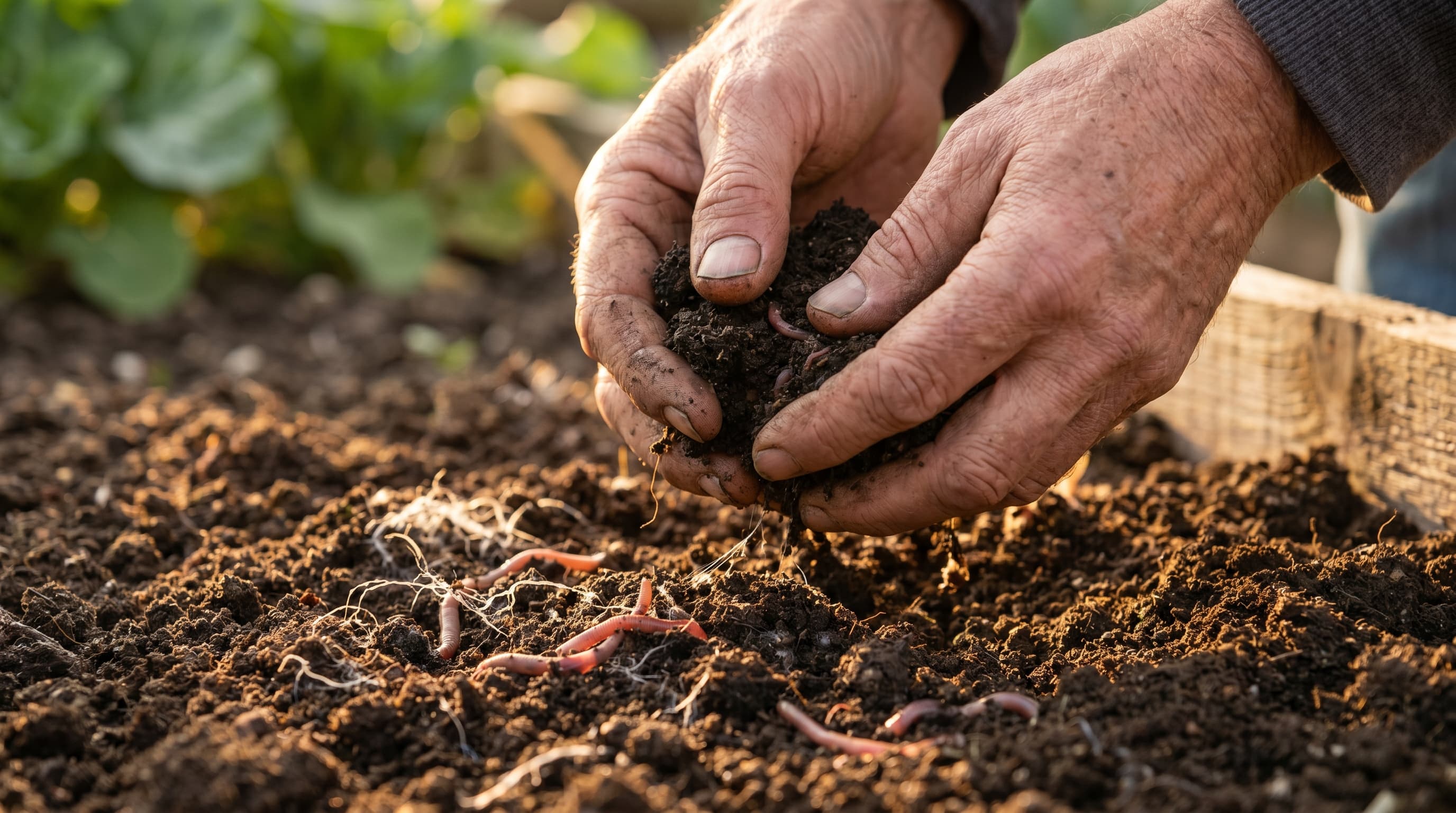
Feeding the soil is wonderfully simple in practice: you add organic matter and living biology to it. Compost does this, and so do biological soil amendments like OrganiLock Soil Food and the Refresh line - dry products you work into or sprinkle over your soil to add whole-food organic matter, beneficial fungi and bacteria, and biochar (a carbon that gives the biology a home). You are not spraying a quick chemical fix; you are restocking the soil's pantry and reviving its life, so it can feed your plants the way a healthy soil naturally does. Add it, water it in to wake the biology, and the soil goes to work.
Why this beats feeding the plant
Feeding the soil wins for a few honest reasons. A living soil holds nutrients and releases them gradually as plants need them, so there is far less timing and guesswork than spoon-feeding soluble fertilizer. It builds the soil up over time rather than leaving it the same or poorer. And it is forgiving - with a soil-building amendment like Soil Food, which releases gently and cannot burn, you do not have to measure to the gram or fear scorching your plants. To be fair, fast-acting soluble fertilizers have their place when you want a quick response - but the steady, season-long, year-over-year benefit of feeding the soil is what makes it the better foundation for almost any garden.
It works wherever you grow
The best part about the one rule is that it applies everywhere you grow, not just in a vegetable garden. Raised beds, in-ground beds, flower pots, indoor houseplants, lawns, trees, and shrubs are all just different settings for the same principle: build up the living soil, and it feeds whatever grows in it. The product you reach for changes with the setting - which the next lesson sorts out for you - but the rule never does. Whether you are tending a windowsill herb or a whole backyard, you are doing the same fundamental thing: feeding the soil so the soil can feed your plants. One simple rule, every garden.
Plain-English takeaway: The one rule is "feed the soil, and the soil feeds the plant" - add organic matter and living biology (compost or an amendment like Soil Food), water it in, and the living soil delivers nutrients steadily on its own, building up over time with far less guesswork than feeding the plant directly.