Every garden runs on a rhythm, and that rhythm begins in spring - the season of waking up and building. What you do now sets the tone for the entire year, because spring is when you bring the soil back to life and lay the foundation your plants will draw on for months. This lesson walks the spring jobs of the living-soil gardener: waking the soil, building it up, and planting into a bed that is ready to feed. Get spring right, and much of the rest of the year takes care of itself.
What is happening in spring
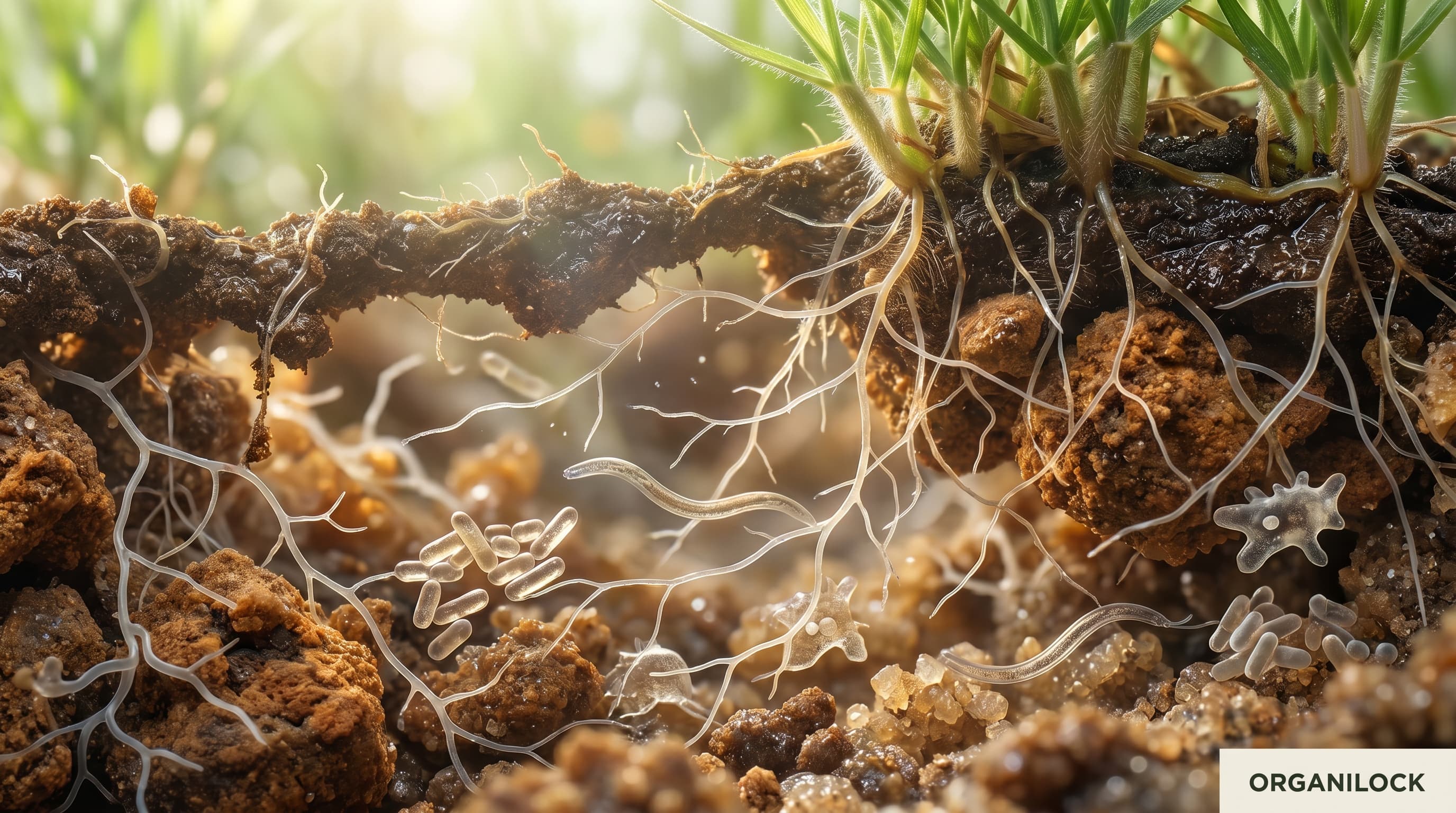
As the days lengthen and the soil warms, the whole underground world stirs awake. Through winter, the soil's biology - the fungi, bacteria, and other life that do the real feeding - has been resting, slowed by the cold. Spring is when warmth and moisture rouse it: the microbes become active, organic matter starts breaking down again, and the soil prepares to feed a new season of growth. Above ground, your plants feel the same call to grow. Spring, in other words, is a season of reawakening on both sides of the soil line, and your job is to support that reawakening - to wake the soil and feed it so it is ready when your plants are.
The big job: build and feed the soil
Spring is the season for the foundational feeding of the year, and it is the most important thing you will do for your garden. The move is the one you have learned throughout this Academy: feed the soil so it can feed your plants. In practice that means working a soil-building amendment into the ground as you prepare your beds and pots:
- For new beds, pots, or planting areas: mix Soil Food into the top several inches of soil as you prepare it, so the living biology is established through the whole root zone from day one.
- For established beds and containers: top-dress the matched amendment - Soil Food, or the Refresh product suited to your setting - over the soil and let it work in.
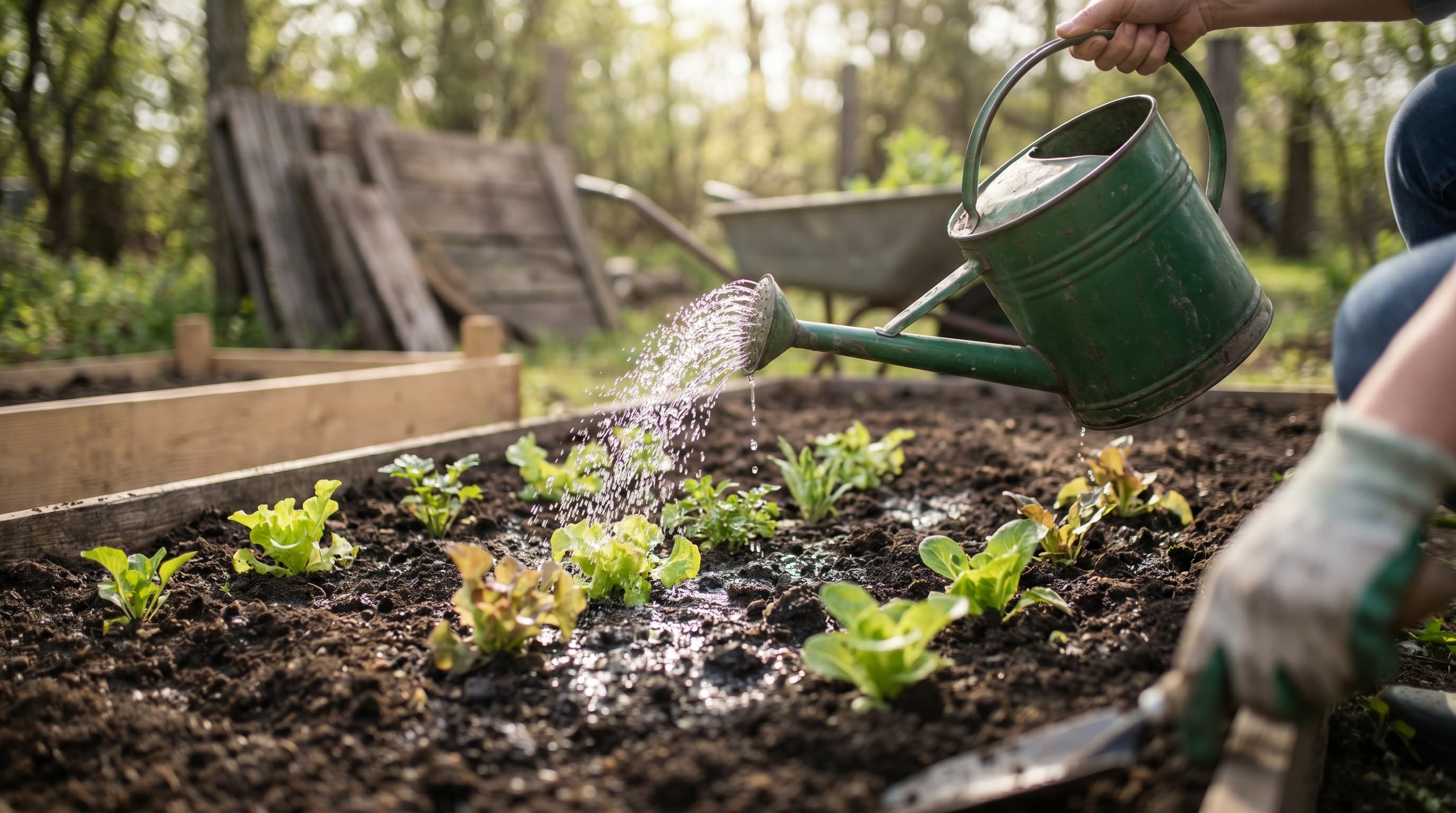
- Then water it all in. Water is the on-switch for the biology, so a good watering after applying gets the living soil truly awake and working.
This spring build is what stocks the soil's pantry for the season - the organic matter, biology, and structure your plants will draw on through summer. Skimp on it and you spend the rest of the year playing catch-up; do it well and your plants have a living soil feeding them from the start.
Do not rush the start
Spring excitement tempts every gardener to plant too early, but a little patience pays off. Wait for the soil to warm and dry before you work it and plant - cold, soggy soil stalls the biology, rots seeds, and stresses transplants, and as you may recall from the diagnostic lessons, cold soil even mimics a phosphorus shortage with purpling leaves that simply resolve as things warm. A simple test: if a handful of soil squeezed in your fist stays a cold, wet ball, it is not ready; if it crumbles, you are good to go. Let the soil warm, let the biology stir, and then plant into living, ready ground. A start delayed a week or two for the right conditions beats a rushed start that the plants spend a month recovering from.
Preparing beds, pots, and the garden
Beyond feeding, spring is the season of preparation and planting, and a few tasks set you up well. Clear away winter debris and any weeds, but resist the urge to till or dig heavily - disturbing the soil less protects the structure and biology you are trying to build (a light loosening and the amendment worked into the top few inches is plenty). Refresh your containers by top-dressing or, if a potting mix has truly broken down, repotting into fresh mix with an amendment mixed in. Then plant - setting transplants and sowing seeds into the warmed, living soil - and water everything in. As you plant, it is also a good moment to think about where things go: rotating crops to new spots, as the diagnostic lessons noted, helps keep the soil balanced and problems from building up. Spring is busy, but it is the satisfying busy of beginnings.
Matching the spring feed to your garden
The spring move is the same everywhere - feed the soil - but the product that does it best depends on where you are growing, and matching them is worth a moment's thought as you build your beds:
- In-ground beds, vegetable gardens, and fresh soil: Soil Food is the workhorse. Mix it into the root zone as you prepare the bed. It is OMRI Listed for organic growing, and it is gentle and no-burn, so you can build a new bed generously without worrying about scorching tender spring roots.
- Established containers and potted plants: top-dress the Refresh made for containers over the soil to renew it without repotting.
- Lawns and landscape beds: top-dress the matched Landscape Refresh as those areas green up in spring.
Whatever the setting, let the Academy's calculator and the product label tell you how much for your specific space - a quick check beats guessing, and it keeps you from under-feeding a hungry new bed or over-buying for a small one. The thread through all of it is unchanged: you are feeding the living soil so it can feed the plants, just with the amendment best suited to where they grow.
A spring weekend, start to finish
It can help to picture the whole spring build as one simple sequence rather than a pile of separate chores. Say you have a raised vegetable bed waking up from winter. First you check the soil with the squeeze test - it crumbles, so it is warm and dry enough to work. You clear off the last of the winter mulch and any weeds, and loosen the top few inches lightly with a fork rather than turning the whole bed over. Next you spread Soil Food across the surface and work it into that loosened top layer, rebuilding the biology and organic matter through the root zone. Then you set your transplants and sow your seeds into the prepared bed, mindful of rotating crops to fresh spots from last year. Finally - and this is the step people skip - you water the whole bed in thoroughly, switching the biology on. That is the entire spring build: test, clear, loosen lightly, feed, plant, water. An hour or two of unhurried work, and the bed is set up to feed itself for months.
Setting up the whole year
Step back and you can see why spring matters so much: it is the season that sets up everything that follows. The living soil you build now will feed your plants through the demands of summer, and the habits you start - feeding the soil, planting into living ground, disturbing it as little as possible - carry through the year. A garden begun well in spring asks less of you later; a garden begun poorly spends the season being rescued. So give spring its due, do the foundational build, and head into the growing season with a soil that is awake, alive, and ready to feed. The next season, summer, is about supporting that soil as your plants hit their stride.
Plain-English takeaway: Spring is the season to wake and build: the soil biology reawakens with warmth, so do the foundational feeding of the year - mix Soil Food into new soil or top-dress the matched amendment on established beds and pots, and water it in - while waiting for the soil to warm before planting; a strong spring build sets up the whole year.