Summer is the garden at full tilt - the season of peak growth, peak harvest, and peak demand on your soil. The foundation you built in spring is now doing its work, feeding your plants as they hit their stride, and your job shifts from building to supporting: keeping the living soil watered, covered, and gently topped up so it can meet the season's demands. This lesson walks the summer rhythm of the living-soil gardener, including the one mistake that trips people up most in the heat.
What is happening in summer
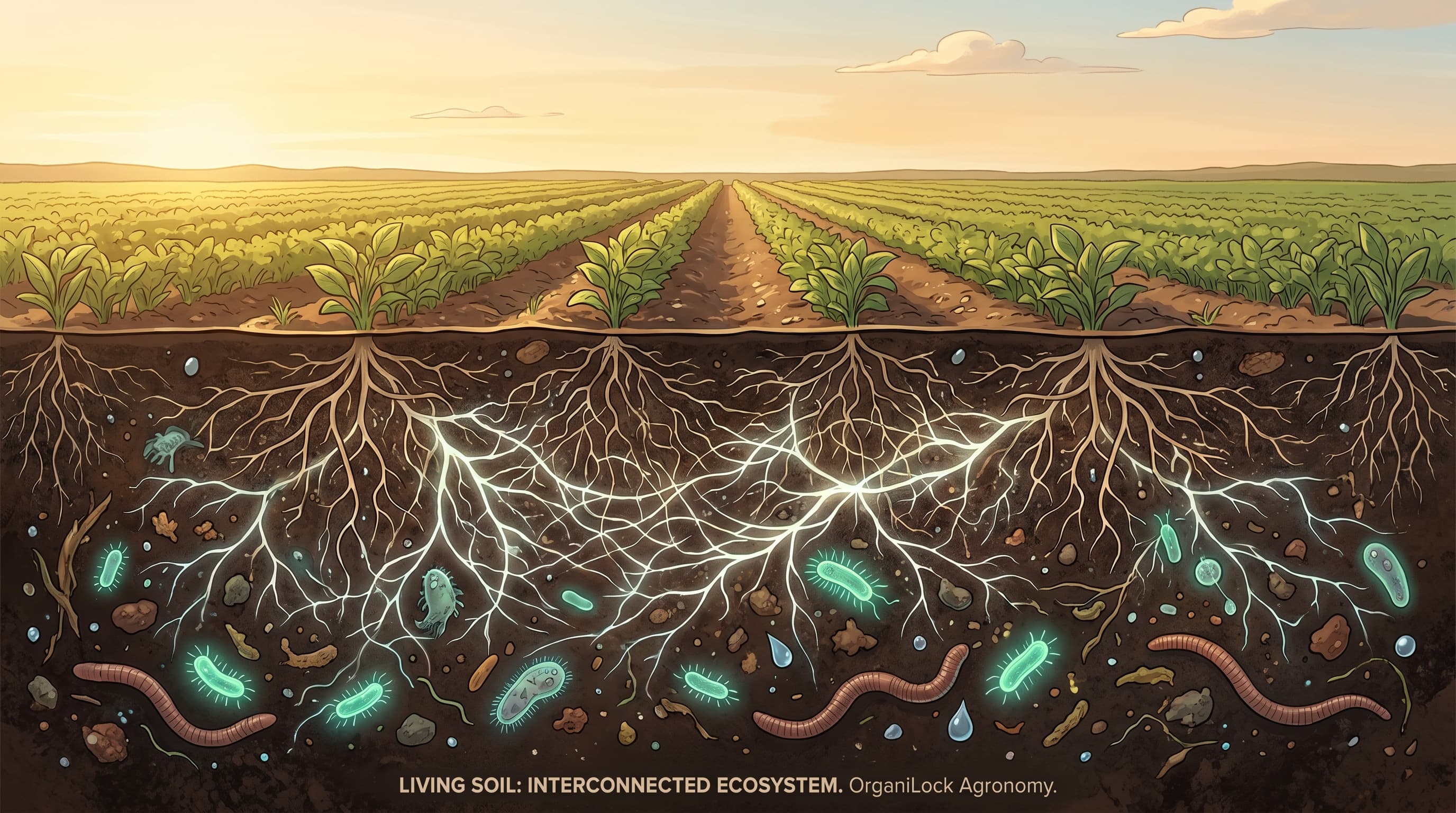
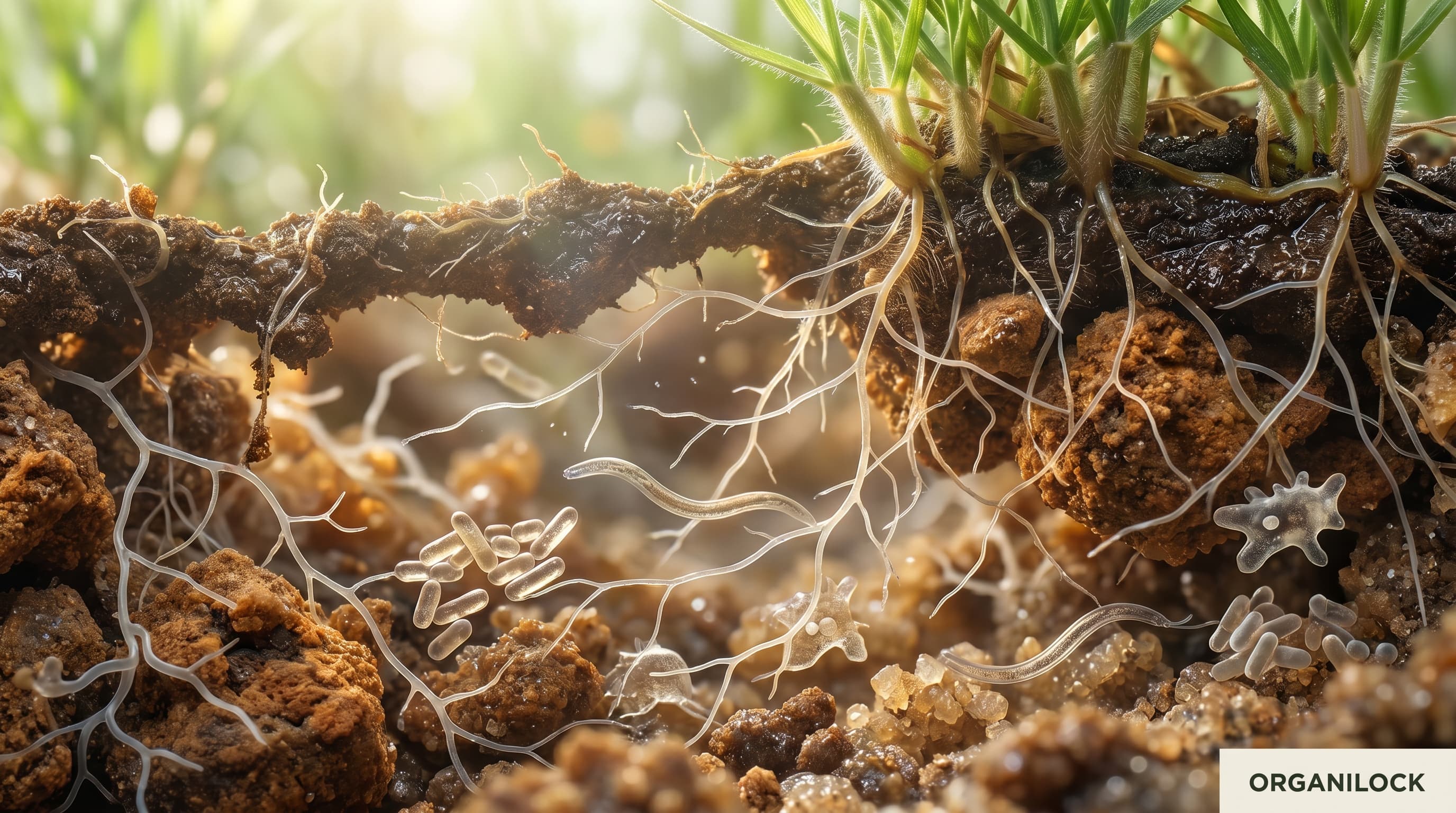
In summer, everything accelerates. Your plants are growing hard and many are fruiting and flowering, which means they are drawing heavily on the soil. The soil biology is at its most active in the warmth, busily breaking down organic matter and delivering nutrients - exactly what you set it up to do. But summer also brings stress: heat, intense sun, and the constant pull of water out of the soil and the plants. So summer is a season of abundance and demand at once, and your role is to keep the living soil supplied and supported so it can keep up with the plants leaning on it.
Support the living soil
Your main summer job is supporting the soil you built, and it comes down to a few steady habits:
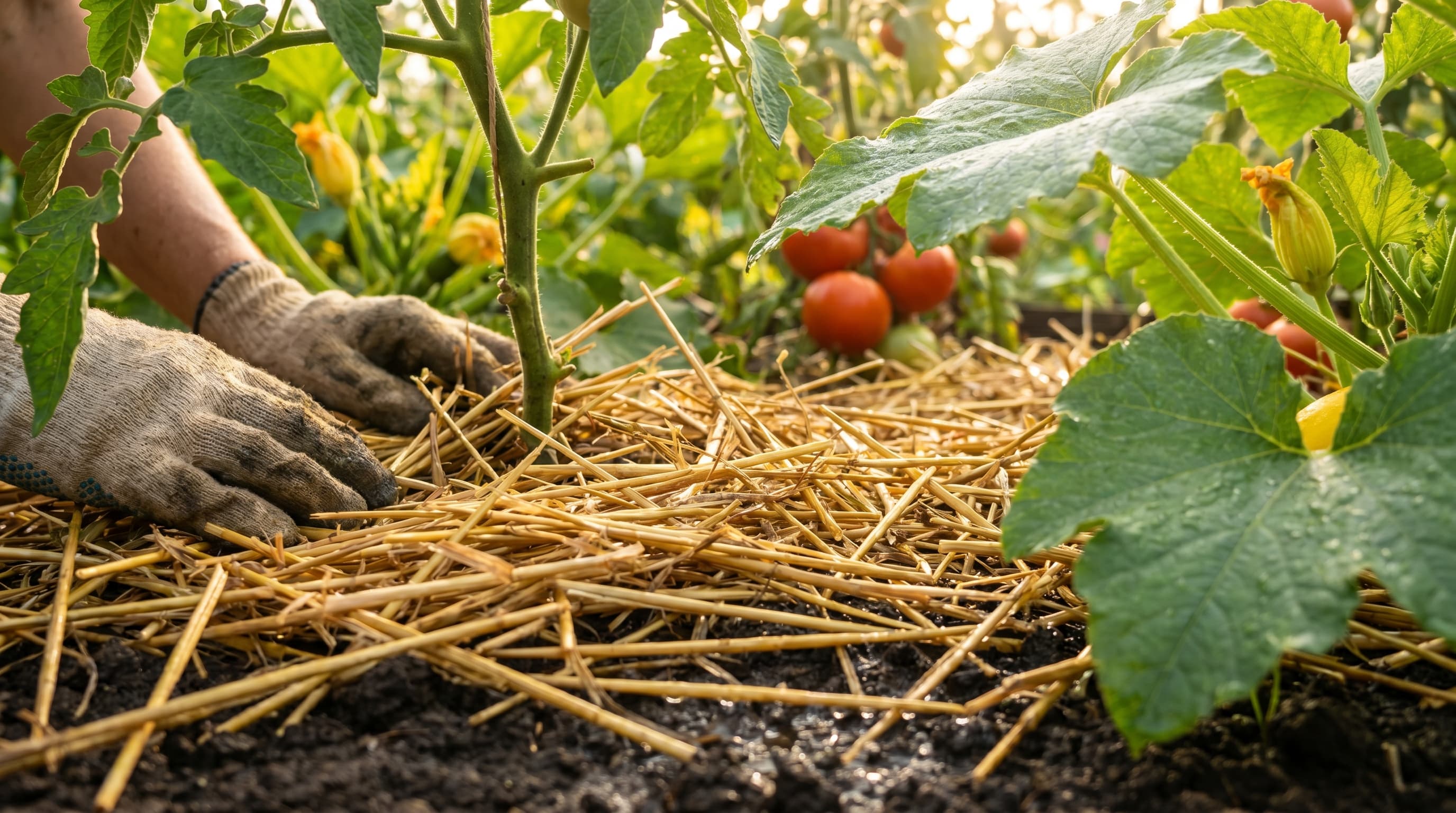
- Mulch. Keeping the soil covered with mulch holds moisture in, keeps roots cooler, suppresses weeds, and feeds the soil life as the mulch breaks down. It is one of the highest-value summer habits there is.
- Water deeply and consistently. Water at the base of plants, ideally in the morning, and water thoroughly rather than giving frequent shallow sips - deep watering encourages deep, resilient roots and lets the whole root zone work. Consistent moisture also matters for nutrient uptake and for avoiding disorders like blossom-end rot.
- Top-dress lightly as needed. For containers and heavy feeders that deplete faster, a light top-dress of the matched amendment through the season keeps the soil topped up.
Notice the theme: in summer you are largely maintaining and supporting, not rebuilding. The living soil does most of the feeding; you keep it moist, covered, and lightly replenished so it can.
Boosting when a plant wants it
Summer is the season you are most likely to reach for a boost, and that is what Plant Food is for. When a heavy producer - a tomato in full fruit, a hungry squash, a flush of blooms - clearly wants a faster feed than the soil alone is providing, a Plant Food boost gives it quick, direct nutrition: diluted in water (about half an ounce per gallon) and either sprayed on the leaves or poured at the roots, weekly or as needed. Two honest reminders carry extra weight in summer: Plant Food is a soluble feed that can burn if over-concentrated, so follow the label rate (and remember a hot, small container concentrates everything), and it is a boost on top of your soil-building, not a replacement for it. Used at rate when a plant genuinely wants it, it is a handy tool through the productive months.
The summer over-feeding trap
Here is the mistake that catches eager gardeners in summer: over-feeding. With plants growing fast and demand high, it is tempting to pour on more and more fertilizer, but more is not better. Heavy soluble feeding can spike salts (especially in containers), and an excess of nitrogen pushes soft, sappy growth that pests favor and that comes at the expense of fruit and flowers. The living soil you built is designed to feed steadily without your constant intervention, so the discipline of summer is to support it - water, mulch, the occasional boost - and otherwise let it work, rather than anxiously over-feeding. As the diagnostic lessons taught, when a summer plant looks off, the cause is more often water, heat, or over-feeding than a true shortage, so resist the reflex to keep feeding. Steady and supported beats heavy and anxious every time.
A summer scenario: reading a struggling plant
Picture a hot July afternoon and a tomato plant wilting dramatically in the bed. The reflex - especially for an eager gardener - is to assume it is hungry and reach for fertilizer. But the living-soil approach is to read before you react. You check the soil moisture first with a finger: if the top inch or two is dry, the plant is simply thirsty in the heat, and a deep watering at the base will perk it up by evening, no feeding needed. You notice the wilt is worst in the blazing mid-afternoon sun and eases as the day cools, which points again to heat and water rather than a soil problem, since a plant pulls water faster than its roots can supply on the hottest afternoons. You glance at the leaves: a true, persistent nutrient issue shows as a color pattern - yellowing or off-color following the old-leaf or new-leaf rule from the diagnostic lessons - not as a midday flop. Nine times out of ten in summer the answer is water, heat, or recent over-feeding, and the right move is to water deeply, mulch to hold that moisture, and wait, rather than piling on a feed the plant never asked for. That habit of pausing to read the plant is what separates a steady summer gardener from an anxious one.
A simple summer rhythm
Summer care is less about big projects and more about a light, steady rhythm, and it helps to hold one in mind so nothing slips. Most weeks come down to a short loop: check moisture and water deeply when the soil is drying (more often for containers and during heat waves, less after rain); keep an eye on your mulch and top it up if it has thinned; harvest regularly, since picking ripe fruit keeps many plants producing; and glance over your plants for the early signs of trouble so you catch anything while it is small. Only now and then does more come into it - a light top-dress on a heavy feeder, or a Plant Food boost for a plant in full production that clearly wants it. Keep that gentle loop going and the garden largely runs itself on the foundation you built, which is exactly the point of growing this way: the living soil does the heavy lifting, and you tend rather than rescue.
Containers in the heat
Container and potted plants deserve special summer attention, because their small soil volume dries out and depletes far faster than the open ground, especially in heat and full sun. Expect to water containers more often - small pots may need it daily in a hot spell - and keep their soil fed with a light monthly top-dress of the matched Refresh, since every watering carries some nutrients out the bottom. The same cautions apply, only more so: a small pot concentrates any over-feeding quickly, so keep the feeding gentle and watch for the salt-crust and scorched-edge signs of too much. Tend your containers a little more attentively through summer and they will reward you with the season's most generous, up-close color and harvest.
Plain-English takeaway: Summer is the season to feed and maintain: the soil you built in spring does the feeding while you support it - mulch to hold moisture, water deeply and consistently at the base, top-dress lightly as needed, and boost heavy producers with Plant Food at label rate - while avoiding the summer over-feeding trap (more is not better) and giving thirsty containers extra attention.