Winter is the garden's season of rest - but for the thoughtful gardener it is not a season of nothing. Beneath a quiet, dormant surface the soil is still alive, and the choices you make now to protect it and to plan the year ahead are quiet investments that pay off when spring returns. This final lesson of the living-soil year covers winter's two jobs - protect the soil and plan the garden - and closes the loop on the full seasonal cycle you have walked through.
What is happening in winter
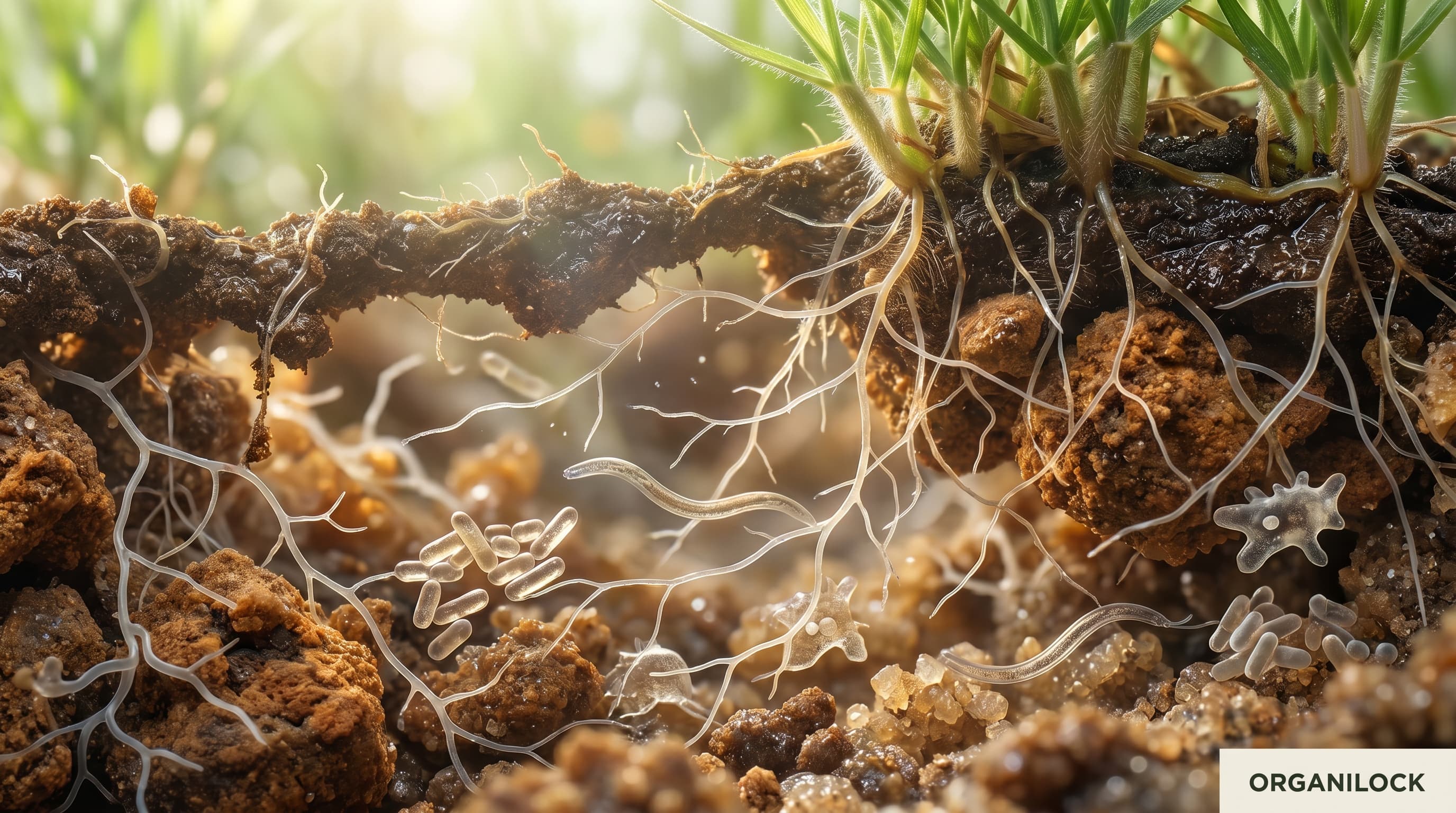
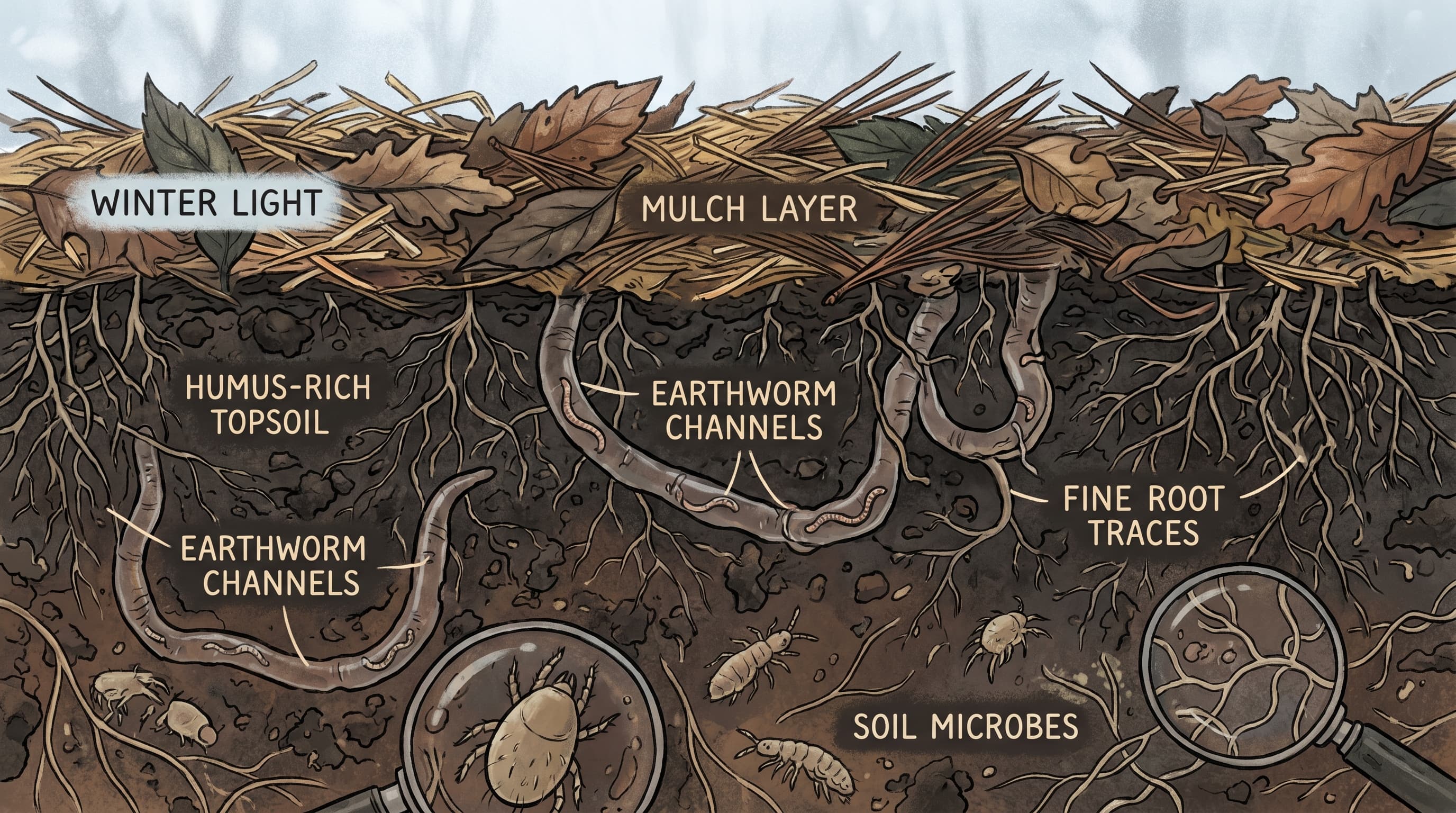
Above ground, winter is dormancy: most plants have died back or gone to sleep, and the garden looks still. Below ground, life slows but does not stop - as long as the soil is not deeply frozen, the biology ticks along quietly, and in milder climates it stays meaningfully active. The organic matter and amendments you worked in during fall continue, slowly, to break down and integrate. So winter is less an empty season than a slow one: the soil is resting and digesting, preparing under the surface for the burst of spring. Your job is light but real - protect that resting soil, and use the quiet to plan well.
Protect the soil
The first winter job is simply to protect what you built. The principle from fall carries straight through: keep the soil covered. Whether with a cover crop still growing, a layer of mulch or shredded leaves, or both, a covering shields the soil from winter's hardest effects - erosion from rain and snowmelt, the repeated freeze-thaw cycles that break down structure, and the loss of the warmth and moisture that keep the biology alive. Covered soil comes through winter with its life, structure, and nutrients intact and ready to wake; bare soil comes through depleted and damaged. There is very little to do in winter on this front - the work was mostly done in fall - but checking that your beds and pots are covered and protected through the cold is the one soil task that genuinely matters in the off-season.
Winter looks different where you live
How much winter asks of you depends a great deal on where you garden, and it is worth reading your own climate rather than following one rulebook. In cold-winter regions where the ground freezes hard, the soil's biology goes nearly silent for the season, so winter really is mostly about protection - a good cover put down in fall, then little to do until the thaw. In milder regions where the soil rarely freezes, the biology keeps working at a low simmer all winter, breaking down your fall amendments steadily, and you may even grow cool-season crops or keep a cover crop actively going. Coastal and Southern gardeners often have a genuine winter growing window; Northern gardeners get a true rest. Neither is better - they just shape the season differently. The constants hold everywhere, though: keep the soil covered, do not feed or work frozen or soggy soil, and let the natural pace of your climate set how active your winter garden is. Match your effort to your conditions and winter stays light wherever you are.
Houseplants in winter
While the outdoor garden rests, your houseplants are having their own quiet winter, and tending them to the season prevents a lot of trouble. In the short, dim days of winter, most houseplants slow down or rest, and their needs drop sharply: they want much less water and little or no feeding until the brighter growing months return. The most common houseplant mistake of all is treating winter like summer - watering and feeding a resting, low-light plant on a growing-season schedule, which leaves it sitting in soggy, over-fed soil it cannot use. So through winter, ease off: water houseplants less often, hold back on feeding, and let them rest. Come spring, as the light returns and they begin to grow again, you can resume regular care - a monthly top-dress of House Plant Refresh and the occasional boost. Reading the season indoors as well as out is part of the living-soil mindset.
Plan the year ahead
Winter's second job is the pleasant one: planning. With the garden at rest, you have the time and perspective to set up a better year, and a little planning now saves a lot of scrambling later. Look back honestly at the past season - what thrived, what struggled, what you would change. Decide what to grow and, importantly, where, keeping crop rotation in mind so you are not planting the same families in the same spots year after year. Sketch out your beds and containers. Make your list of seeds and supplies, so you have what you need when spring's window opens. And if a bed gave you persistent, puzzling trouble this year, winter is the ideal time to send off a soil test, so you start spring working from facts rather than guesses. None of this is urgent, which is exactly why winter - with its slower pace - is the right time for it. A garden planned in winter starts spring with intention.
A winter planning session
If "planning" feels vague, treat it as one cozy session with a notebook on a cold afternoon. Begin by looking back: page through any notes or photos and list what thrived, what disappointed, and any puzzles - the bed that always struggled, the crop that never quite produced. Next, decide what you want to grow this year, then map where each thing goes, deliberately moving the big plant families to new spots so you are not growing the same crop in the same soil two years running. Sketch your beds and containers roughly - it does not need to be neat. From that map, build your shopping list: seeds, transplants, and the amendments you will want come spring. And if one of those puzzles points at the soil itself, add "send a soil test" to the list now, so the results are back and guiding you before the spring rush. One unhurried afternoon like this turns spring from a scramble into a calm, prepared beginning - which is the whole gift of the quiet season.
The cycle completes
And so the living-soil year comes full circle: you wake and build the soil in spring, support and maintain it through summer's demands, feed it back to richness in fall, and protect and plan through winter's rest - and then spring returns and you begin again, only now starting from a soil richer than the year before. That is the quiet magic of growing this way. Each turn of the cycle leaves the soil a little better, so your garden does not merely repeat itself but compounds - more alive, more productive, more forgiving, year after year. A gardener who walks this rhythm is not endlessly fighting to keep a garden going; they are building something that grows stronger with time. Feed the soil through the seasons, and the soil rewards you with a garden that genuinely gets better the longer you tend it. That is the whole of the living-soil year, and the whole promise of growing the soil-first way.
Plain-English takeaway: Winter is rest, not nothing: the soil is alive but slow beneath the surface, so protect it (keep it covered through the cold) and use the quiet to plan next year (review, choose crops with rotation in mind, list supplies, test a troubled bed) - and ease off your resting houseplants; then the cycle completes and each year starts from richer soil than the last.